

Why summer safety matters more than ever for older Australians
Australian summers are becoming hotter and more dangerous for older people. Heat stress, dehydration and isolation place senior Australians at high risk. Proactive planning, hydration, cooling and community support are essential to keeping seniors safe during summer.

Australian summers are getting hotter, longer and more unpredictable. For older Australians, this isn’t just uncomfortable — it’s dangerous. Heatwaves are now one of the deadliest natural hazards in Australia, and seniors are consistently the most at risk.
Ageing bodies don’t regulate temperature as efficiently. Chronic health conditions, reduced mobility, cognitive impairment and certain medications all increase vulnerability. Add social isolation or limited access to air‑conditioning, and the risk escalates fast.
Keeping senior Australians safe during summer is not optional. It’s a shared responsibility across families, communities, service providers and the broader aged care system.
Heat is a serious health risk for older people
Heat stress, heat exhaustion and heatstroke can develop quickly in older adults and are often missed until they become severe. Warning signs may be subtle — dizziness, confusion, fatigue or nausea — and can easily be mistaken for other conditions.
Dehydration is another major risk. Many older people have a reduced sense of thirst or deliberately limit fluid intake due to continence concerns. During hot weather, this can lead to rapid decline, hospitalisation or worse.
The reality is blunt: extreme heat kills more Australians than bushfires, floods and storms combined, and older people bear the brunt of that toll.
Practical steps that make a real difference
Protecting seniors during summer doesn’t require complex solutions — it requires consistency, vigilance and planning.
Hydration comes first
Older people should be encouraged to drink fluids regularly, not just when thirsty. Water is best, but hydrating foods, icy poles and flavoured drinks can help when appetite or interest is low.
Cool environments save lives
Access to cooling is critical. This includes air‑conditioning, fans used safely, shaded outdoor areas and well‑ventilated homes. On extreme heat days, proactive checks to ensure cooling systems are working can prevent emergencies.
Clothing and sun protection matter
Lightweight, loose‑fitting clothing, hats and sunscreen reduce heat load. For seniors who still enjoy outdoor activity, timing matters — early mornings are safer than the middle of the day.
Medication and health monitoring
Some medications increase sensitivity to heat or dehydration. Regular reviews, heat‑day care plans and closer monitoring during hot spells are essential, particularly for people living alone or with complex needs.
The role of families, carers and providers
Summer safety is not just an individual issue. Families, home care workers, residential aged care teams and community services all play a role.
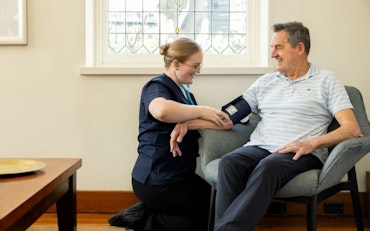
Simple actions — welfare checks, reminder calls, adjusting care routines and watching for early signs of heat stress — can prevent crises. For residential aged care, heatwave preparedness should be treated as seriously as infection control or emergency response.
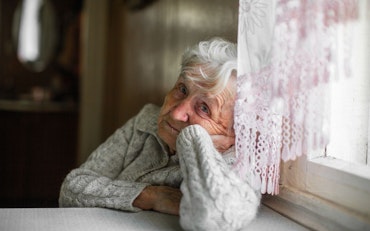
For home‑based seniors, social connection is a protective factor. People who are isolated are far more likely to suffer unnoticed heat‑related illness.
Planning ahead beats reacting later
The worst outcomes often occur when heat events catch people unprepared. Summer safety plans should be in place before temperatures spike.
That means:
- identifying who is most at risk
- confirming cooling and hydration strategies
- having clear escalation pathways if someone deteriorates
- communicating plans clearly with staff, clients and families
Waiting until a heatwave hits is already too late.
A system‑wide responsibility
As climate pressures increase, summer safety must be embedded into how Australia supports its older population. This is not just about individual behaviour — it’s about housing quality, service design, workforce readiness and policy priorities.
Protecting senior Australians from heat is a basic duty of care. Done well, it preserves health, dignity and independence. Done poorly, the consequences are irreversible.
Summer will keep getting hotter. Our response needs to be stronger, smarter and non‑negotiable.