

Study reveals an alarming increase of premature deaths in residential aged care homes
A study published in the Medical Journal of Australia has found that ‘preventable’ and premature deaths of residents in Australian nursing homes has risen 400 percent in the last decade.
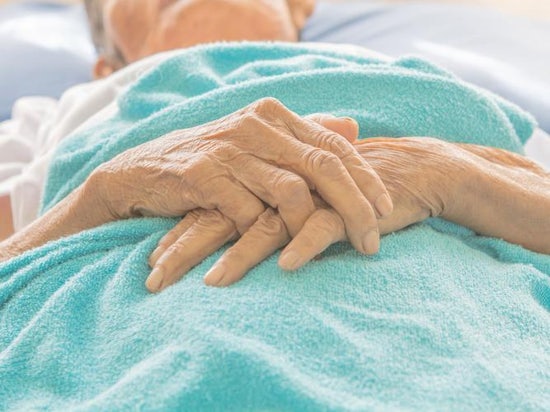
Professor Ibrahim is calling for a national policy framework to reduce unnecessary harm in residential homes (Source: Shutterstock)
In the first comprehensive investigation into the issue in Australia, researchers from the Monash University Faculty of Medicine, led by Professor Joseph Ibrahim, used coronial data to chart the number of preventable deaths in aged care homes.
Their findings show that the annual number of externally caused, premature deaths rose from 1.2 per 1,000 admissions to 5.3 between 2001 and 2012.
Professor Ibrahim is now calling for a national policy framework to reduce unnecessary harm in residential homes.
“Currently no one entity is responsible for reducing harm by improving practice,” he says.
The aged care industry is supervised by a range of bodies and is split into three distinct areas, private, non-profit and government, resulting in often-contentious interventions and a lack of effectiveness investigation.
Prof Ibrahim points to the general health care sector’s leading national body, the Australian Commission on Safety and Quality for Health Care, as a model for the kind of oversight aged care needs.
CEO of Leading Aged Services Australia Sean Rooney acknowledged the report by stating that quality of life requires a “certain degree of autonomy.”
“Residents may make choices that enhance their quality of life, but may also increase the risk of potential harm.”
Mr Rooney says that the aged care industry is actively seeking “to continuously maintain and improve high standards of care.”
Of the 21,672 deaths of accredited home residents, 15 percent resulted from external causes, and falls accounted for 81.5 percent of those, while choking and suicide caused another 7.9 and 4.4 percent of cases.
Mr Rooney claims that the reported increase in falls that cause death may actually reflect the increasing age at which people are entering residential care, and in fact raises more questions that it answers.
“We know that the average age for older Australians entering residential aged care has been rising over time,” Mr Rooney says.
“Many older Australians are choosing to age in the community in their own homes, close to family and friends. By the time they move into residential aged care they are often older and frailer than people who entered residential care in the past.”
Pat Sparrow, the CEO of Aged and Community Services Australia, has a similar view.
“It’s worth noting that falls are in fact the highest cause of hospitalisation from injury across the whole community. This is an area in in which the dignity and rights of the older person must be balanced with safety concerns,”
She argues that since the time frame of the study more research and programs have been designed to provide better safety.
“Research reports, such as this one, are always useful to examine and improve care but they shouldn’t be considered in isolation from broader quality care and considerations,” she says.
The study also acknowledged that the increasing number of preventable deaths is in part due to better incident reporting, but authors stress that the figure is likely still an under-estimate due to the tendency to misclassify premature deaths as “natural” when old age is a factor.
“With this study we have our first real understanding of how many deaths are occurring in nursing homes that shouldn’t be happening. However, there is a paucity of information about the cause and manner of premature deaths of nursing home residents from which we can review how these operations are run,” says Professor Ibrahim.
“Improving the quality of care for nursing home residents requires a better understanding of how, why, where and when they die. The global population is ageing rapidly, and the need for aged care services is consequently increasing”.