
“Realistic” cost of dementia care in Australia released
New research by an Australian university has calculated the cost of providing health and residential care to a person living with dementia, revealing it to be not only the “most precise” estimate to date, but also “much higher” than previously thought.

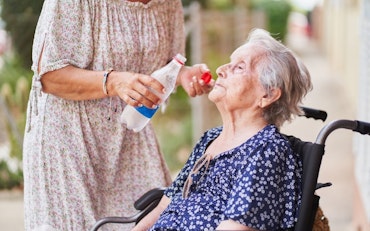
The annual cost of caring for a person living with dementia in residential aged care is estimated around $88,000 (Source: Shutterstock)
The study, Direct health and residential care costs of people living with dementia in Australian residential aged care, looks at 541 individuals across 17 aged care homes and reveals not only that the annual cost of caring for a person living with dementia in residential aged care is around $88,000, but also a large percent of these costs were pharmacological and 38 percent were related to hospital care.
These unexpected findings have led to a number of calls being made by national peak bodies about not only reducing these costs of dementia care, but also highlighting the need to factor in this estimated cost in future funding.
Dementia Australia is the peak body at the heart of the calls being made about reducing these costs, with CEO Maree McCabe saying the research “reaffirms” Dementia Australia’s call for the urgent need for ongoing, systemic, aged care reform.
“This suggests that clinical interventions are more common in residential aged care rather than optioning for a more holistic approach,” she explains.
“We know from our own research and internationally that person-centred care can reduce the use of antipsychotics and other drugs.
“Greater investment in training and education across the acute and aged care sectors in the management of behavioural and psychological symptoms of dementia will result in improved quality of life for people living with dementia and decrease the length of stay in hospitals.
“Building awareness of dementia-friendly principles will also support people in their communities to remain meaningfully engaged and potentially stay in their homes for longer.
“This research reinforces the need for a more strategic investment in dementia services to avoid an escalation in coss that will be unsustainable.”
While not looking to reduce the costs of care, aged care industry peak body Aged and Community Services Australia (ACSA) is encouraging the factoring in of these costs into “sustainable future funding”.
ACSA CEO Pat Sparrow says the study provides “valuable detail” on the per person cost of caring for those with dementia, and contributes to a “fuller understanding” of the future needs of the sector.
“Research like this is invaluable for future service planning in our industry,” Ms Sparrow says.
“Combined with studies like the Residential Aged Care Resource Utilisation and Classification Study underway at the University of Wollongong, a clearer sense of the cost of future service planning for dementia patients is emerging.”
She also encourages research like this to “become part of a conversation” about community expectations for services and support for people living with dementia and how those expectations can be met now and in the future.
“By presenting a comprehensive study of 541 people living with dementia and their care needs, this research provides a clearer understanding of the cost of meeting those needs particularly when it comes to the complex health needs of the many older Australians in residential care living with dementia,” she says.
“With rates of dementia predicted to double by 2050, and one in three Australians born today eventually facing a dementia diagnosis, we need to be sure that future funding for aged care is sustainable and ensures that as a community, we are able to tackle the enormous social and economic challenge of dementia into the future.
“Now is the time to secure the funding mix that will allow the sector to adequately care for older Australians with dementia as they age.
Ms McCabe commended “surveys like this” in contributing to growing our understanding of the scale of the societal and economic challenge posed by a growing population of older Australians living with dementia, adding that is it “now up to the Government to heed the lessons research like this provides”.