Let’s consider dementia and palliative care
Exploring palliative care for those dying with dementia is just one of the keynote presentations at Let’s Consider Dementia, the 3rd South Australian Palliative Care Conference on Friday May 27th at the Wayville Showgrounds, Adelaide.
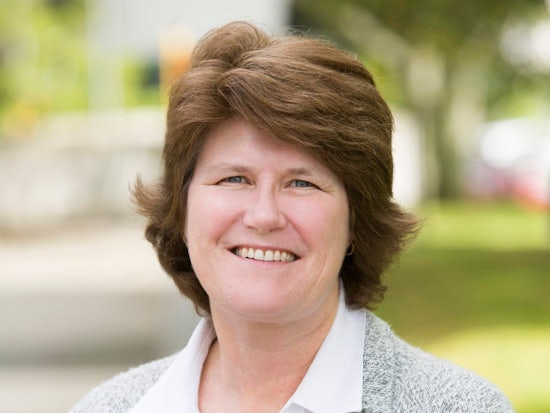
Dr Michal Boyd's presentation will explore the unique implications of palliative care for people with dementia
Gerontology Nurse Practitioner and Senior Lecturer with the School of Nursing and the Department of Geriatric Medicine at the University of Auckland, Dr Michal Boyd’s presentation will explore the unique implications of palliative care for people with dementia as society ages over the next several decades.
“There are many barriers to high-quality neurodegenerative palliative care,” Dr Boyd says. “For example, unlike death from cancer, it is very difficult to predict impending death.
“Although people who die with dementia often have quite severe symptoms and clinical complications, they have difficulty communicating their needs and preferences, increasing the risk of suffering at end of life,” she continues.
“They also have high rates of pneumonia, other infections, incontinence, pressure sores, cachexia and dehydration. The most commonly reported symptoms for people with dementia in the last month of life are pain, fear, and anxiety, issues common to many requiring palliative care irrespective of their diagnosis.”
Dr Boyd highlights while it is well established that high quality palliative care for people with cancer improves quality of life and reduces suffering, best practice end of life care for those with dementia has not been established.
Another keynote speaker at the one-day conference is Professor Rod MacLeod, HammondCare’s Senior Staff Specialist in Palliative Care and Conjoint Professor in Palliative Care at the University of Sydney.
Professor MacLeod’s presentation on ‘Existential issues of living and dying with Dementia’ notes the spiritual life of a person is not ended by dementia and can be supported and affirmed by respecting that person as a unique individual through holistic caring practice.
By looking at the central features of spirituality, the evidence for the lack of provision of spiritual care and some interventions that can help, this presentation will promote thinking and discussion about the nature of optimal care for people with dementia wherever they may be cared for. The presentation will also include suggestions for ways forward to promote this aspect of care.
Local paediatric palliative care nurse practitioner, Ms Sara Fleming will also reflect on her work with families and deliver a ‘warts and all’ look at practices and ideals.
Palliative Care South Australia’s conference will welcome over 350 delegates to discuss and debate the big issues. Delegates will examine the notion of residential aged care becoming the de facto hospices of the future, the nature of optimal care for people with dementia, and a warts and all look at the professional issues of practice in this field of specialist medicine and nursing.
The concurrent workshop program is an opportunity to meet local South Australian palliative care personnel who will be facilitating workshops on grief, loss and bereavement, communication, symptom management and how to implement the Palliative Approach (PA) Toolkit.
It is also an opportunity to meet fellow health professionals, make connections, be inspired, and encouraged to keep building knowledge, skills and expertise.
Registration is $120 (Members) and $160 (Non members). Register at pallcare.asn.au or call 8271 1643 for more information.



















Comments