Could your neighbourhood increase the risk of dementia?
The impact of visiting your local park could be greater than you think
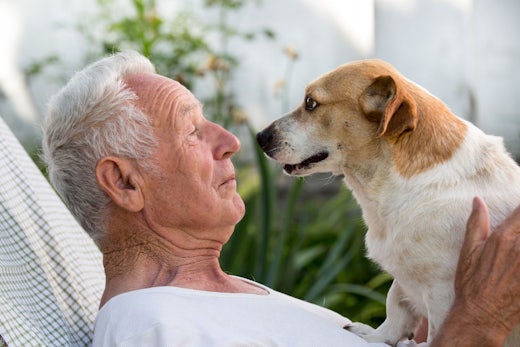
![<p>Reducing the risk of dementia is a priority for many older Australians, but researchers of a new study suggest that where you live could increase your likelihood. [Source: Shutterstock]</p>](https://agedcareguide-assets.imgix.net/news/articles/wp/benchpeople1504.jpg?fm=pjpg&format=auto&w=550&q=65)
Reducing the risk of dementia is a priority for many older Australians, but researchers of a new study suggest that where you live could increase your likelihood. [Source: Shutterstock]
Key points
- Researchers of a new study at Monash University suggest that living in neighbourhoods with low crime rates and access to green spaces, such as parks, could reduce one’s risk of dementia
- Green spaces can include forests, community gardens and parks
- While green spaces and low crime rates may reduce the risk of dementia, ensuring that Australians get enough exercise, nutrition and sleep are other ways to reduce their risk of dementia
Researchers at the Monash University School of Psychological Sciences have identified other risk factors for dementia, including living in neighbourhoods with limited access to green spaces and areas with high crime rates.
Alzheimer’s disease is the most common form of dementia, with up to 70 percent of people with dementia diagnosed with Alzheimer’s disease. Over 401,000 Australians are living with some form of dementia, according to the latest estimates from the Australian Institute of Health and Welfare. This suggests there may be over 280,000 Australians currently affected by Alzheimer’s disease.
In Alzheimer’s disease, initial problems are first observed through thinking, memory and other cognitive difficulties — eventually leading to changes such as confusion and changes in behaviour.
The lead author of this study, Associate Professor Matthew Pase, understands the importance of such dementia research being made available to the general community.
“Living close to green space may encourage or permit people to exercise more and also socialise [with others],” said Associate Professor Pase. “It may also limit environmental stressors such as air pollution and noise.”
According to researchers of another recent study, the main risk factors for dementia onset include diabetes, alcohol intake and traffic-related air pollution. By having green spaces, Australians can benefit from fresher air as vegetation and trees can reduce the air pollution caused by traffic.
Types of green spaces can include community woodlands, urban parks and gardens, wetlands and green roofs, which are generally found in cities. Green roofs are generally partially covered in vegetation, allowing city dwellers to benefit from greenery in an otherwise industrial or built-up area.
Regardless of park size, Associate Professor Pase elaborated that access to any green space is good if it is in close vicinity of one’s living situation.
“[…] Proximity to green space was more important than the absolute amount of green space in an area. In other words, having lots of little parks that are closer to more people might potentially be better than having one big park that is further away,” Associate Professor Pase continued.
According to the Queensland Government, the benefits of green spaces include improved mood and increased happiness, enhanced cognitive function, stronger immunity and better sleep quality.
However, Associate Professor Pase reiterated that other factors may prevent Australians from going outside, even if green spaces are close.
“People living in an area with a high crime rate might exercise, go out and socialise in public places less as a result,” Associate Professor Pase said.
However, Associate Professor Pase wants the Australian community to understand that green spaces and low crime rates are not the only aspects that may reduce a person’s risk of developing dementia.
“Wherever people live, healthy behaviours like managing blood pressure, maintaining a healthy weight, correcting any hearing impairment, avoiding smoking, regular physical activity, nurturing mental health, avoiding or treating diabetes, sleeping well and social activity may all help,” said Associate Professor Pase.
Other ways for older Australians to reduce their risk of dementia include taking a daily multivitamin. Australians older than 60 years may benefit from including multivitamins in their daily routine, as highlighted by new research results released.
Additionally, researchers of another study found that not getting enough sleep could increase your risk of dementia by up to 27 percent. Read more about the research in this article.
Do you live near green spaces where you can get fresh air and exercise? How does this impact your desire to go outside?
Let the team at Talking Aged Care know and subscribe to the newsletter for weekly news, information and industry updates.
Relevant content:
‘Traffic-related’ risk is listed as a leading factor for dementia onset
Expert attacked for encouraging vulnerable Aussies to get vaccinated









Comments