

Visitor Access Code for aged care has been finalised
The Industry Code for Visiting Residential Aged Care Homes during COVID-19 was officially finalised and released yesterday after a week of public consultation with consumers and aged care providers.
![<p>As a result of the Code, visitors will be able to see their older loved ones in aged care but will need to adhere to their facility infection control procedures. [Source: Shutterstock]</p>](https://agedcareguide-assets.imgix.net/news/articles/shutterstock_1569052114.jpg?fm=pjpg&format=auto&w=550&q=65)
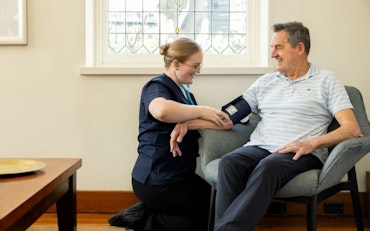
As a result of the Code, visitors will be able to see their older loved ones in aged care but will need to adhere to their facility infection control procedures. [Source: Shutterstock]
Thirteen aged care peak bodies and consumer advocacy organisations created this nationally consistent code, which aims to ensure the safety and wellbeing of residents in aged care without compromising their health when being visited by family and friends.
As a result of the Code, visitors will be able to see their older loved ones in aged care but will need to adhere to their facility infection control procedures to minimise the risk of COVID-19 entering and spreading inside facilities.
The finalised Code consists of 13 principles that aged care providers and visitors need to follow.
Those principles are:
-
Providers will facilitate visits between residents and visitors that meet the Charter of Aged Care Rights and State/ Territory COVID-19 regulations
-
Visits can occur in a variety of ways and must include additional ways to connect provided by facilities, including technology or window visits
-
Homes will be able to regulate the overall number of visits they have as to minimise COVID-19 entering the facility
-
Resident’s wishes and preferences will be at the heart of visitor decisions in regards to who visits them
-
Existing aged care related legislation and regulation still apply during the pandemic
-
No visitors may enter or attend a nursing home while they feel unwell or have cold or flu-like symptoms, and visitors must adhere to the provider’s infection control policies and have an up to date flu vaccination
-
Some residents may require longers visits if residents who are dying, residents who have a regular visitor that assists with meals or essential behaviour support, or if the visit is from family or friends that have travelled a long distance to see a resident
-
All other visitors may visit for a short duration and depending on the provider, may experience different procedures like booking systems or designated visit areas
-
Residents must be able to continue receiving letters, parcels and gifts, non-perishable food, and communication devices that have been sent to them at their home. Providers must pass on these items to residents in whatever manner suits the home’s infection control procedures
-
If there is a suspect or actual outbreak of COVID-19 or a suspected/known case of COVID-19 within a home, there will be increased visitor restrictions implemented which may include exclusion of visitors
-
When there are no active coronavirus outbreaks in a facility, residents may use public spaces within the home as well as outdoor spaces. Residents must keep to the social distancing measures and COVID guidelines
-
Residents must be able to continue accessing medical and related services they require, and facilities need to make sure these appointments are maintained
-
Providers can vary their COVID-19 response as risks change within their surrounding community
While the Code is in place currently, it will be up for review in late May to fix any issues that may arise from the Code and to make changes to correct any of those concerns.
Chief Executive Officer of Leading Age Services Australia (LASA), Sean Rooney, says that the peak body fully supports the Code and has been working with the aged care sector to get this Code right.
“LASA supports the Code to further ensure we get the balance right with providing good quality, compassionate care, alongside appropriate protections to keep older Australians in care safe,” says Mr Rooney.
“The code provides guidance for every approved aged care provider and serves to clarify the obligations of aged care homes, their residents and visitors, to streamline the safety of residents.”
Patricia Sparrow, Chief Executive Officer of Aged and Community Services Australia (ACSA), says, “This code is absolutely essential and the review is just as important. We need to monitor this closely because we can’t afford to get complacent. The price paid by older people in aged care will be too high.”
Consumer peak bodies involved in the creation of the code were: Carers Australia, Council on the Ageing (COTA) Australia, Dementia Australia, Federation of Ethnic Communities Council of Australia (FECCA), National Seniors Australia, and Older Person Advocacy Network (OPAN).
Aged care peak bodies who worked on the coder were: Aged & Community Services Australia (ACSA), Aged Care Guild, Anglicare Australia, Baptist Care Australia, Catholic Health Australia, Leading Age Services Australia (LASA), and UnitingCare Australia.
Anyone who has concerns about the Code can contact COTA on AgedCareVisitorsCode@cota.org.au or call 1300 COTA AU.
Providers with concerns can contact visitoraccesscode@agedservices.asn.au.
To view the full Code, head to the COTA website.
For more information about the coronavirus, visit the Aged Care Guide COVID-19 update page.
Do you have any questions about the coronavirus that you want answered? Tell us in the comments below or email journalist@dps.com.au.