

Study finds significant mortality link between dementia and colorectal cancer
Dementia is the leading cause of death in women in Australia and the second cause of death in men.

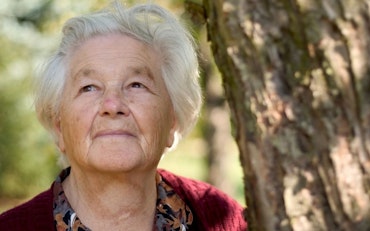
June is Bowel Cancer Awareness Month, with one in 19 people diagnosed by the time they turn 85. (Source: Shutterstock)
Key points:
- More than 15,700 people were diagnosed with bowel cancer in 2022 — the average age at diagnosis is 69 years old
- Poor nutrition can worsen symptoms of Alzheimer’s disease, dementia and weight loss
- Diagnosis of dementia prior to the diagnosis of colon cancer was associated with increased risk of death by 45 percent
The role that diet plays in dementia and colorectal cancers, such as bowel cancer, is something Dr Helena Popovic believes is crucial to prevention of progressive Alzheimer’s disease.
New research has attempted to uncover the survival rate of people with colorectal cancer and dementia, noting that prior to the 2023 study, research surrounding diagnosis and mortality was at least 15 years old.
The study from England and Wales found that, of the 105,250 people in the sample group, nearly four percent had dementia, with two-year survival rates decreasing across dementia severity.
People with colorectal cancer without dementia had a two-year survival rate of 65.4 percent, those with mild dementia had a survival rate of 53.5 percent, with a drop to 33 percent in people with moderate dementia and only 16.5 percent with severe dementia were alive after two years.
According to Dr Popovic, the answer to treating Alzheimer’s comes from the role salt and sugar play in our everyday lives, a topic which she elaborates on further in her newly released book, Can Adventure Prevent Dementia? A guide to outwitting Alzheimer’s — sharing not only the latest scientific research, but her own personal experience of caring for her father.
“We don’t need superfoods; instead, we need to understand how sugar and salt interact to become toxic to our brain. If you think that you’re not eating sugar and salt together, you’ll be surprised to find where it’s hidden in common foods,” she says.
“We play an active role in how our brain develops throughout our life, and it’s never too late or too early to boost our brain, avert Alzheimer’s and defy dementia. Brain changes leading to Alzheimer’s begin 30 years before we get any symptoms.”
Research has shown that subtle changes in the way a person drives can indicate they are at risk of developing Alzheimer’s up to 20 years before they start having memory problems. Dr Popovic discusses how our driving can give us away and what we can do to mitigate our risk of Alzheimer’s.
A landmark study presented at the Alzheimer’s Association International Conference (AAIC) in 2019, demonstrated that a healthy lifestyle dramatically reduced the risk of developing Alzheimer’s even in people who had a higher genetic predisposition. This is especially good news if you have a close relative with Alzheimer’s.
Another report calculated there would be three million fewer people in the world with Alzheimer’s if seven risk factors were reduced by as little as 10 to 25 percent. The risk factors are:
- Smoking
- Type two diabetes
- Midlife high blood pressure
- Abdominal obesity
- Depression
- Lack of mental stimulation
Similarly, the risk factors for bowel cancer include:
- A diet which is low in fibre
- High red meat consumption, especially processed meats
- Obesity
- Alcohol consumption
- Smoking
- Inherited genetic risk and family history
- Inflammatory bowel disease such as Crohn’s disease
- Polyps
- Having a previous diagnosis of bowel cancer
Bowel cancer is one of Australia’s most treatable cancers, but it’s also one of the most preventable and throughout the month, people are encouraged to pay attention to the way that their lifestyles can have worrying consequences down the line. Similarly, Dr Popovic warns that even though ageing is inevitable, lifestyle changes don’t have to be.