

Disadvantaged job seekers finding opportunity and purpose in aged care
New research reveals growing job opportunities for Australians facing barriers to employment, with aged care and community support leading the charge. Programs like Workskil Australia’s Parent Pathways are helping people – especially women, migrants and carers – gain qualifications, confidence and purpose through meaningful care work.

More Australians from disadvantaged backgrounds are finding meaningful work in the care sector, with aged care and community support roles driving one of the strongest hiring surges in the country.
A new national report from employment services provider Workskil Australia shows job prospects for welfare recipients are improving, with overall hires up 6.3% and total new placements sitting more than 20% higher than the same time last year.
The quarterly Work Watch report – based on data from 50,000 job seekers – highlights not just more people entering the workforce, but more hours being worked. During the June quarter, average fortnightly hours rose by 25.5% for women (to 39.4 hours) and 23.6% for men (to 45.1 hours).
The findings reflect a growing appetite for workers in the Health, Aged Care, and Community Services industries, where demand for compassionate, hands-on support continues to soar.
Workskil Australia CEO Nicole Dwyer said the results are particularly significant as the care sector faces ongoing workforce shortages.
“It’s heartening to see vulnerable job seekers finding their place in such essential roles,” Ms Dwyer said. “Many of these positions – whether in aged care, home support or nursing assistance – offer not just income, but purpose. They give people a sense of value and belonging.”
Aged care and community support driving employment growth
While Trades and Services remains Australia’s top hiring industry, the Health and Medical sector – including aged and disability care – recorded one of the largest jumps, up 39% year-on-year.
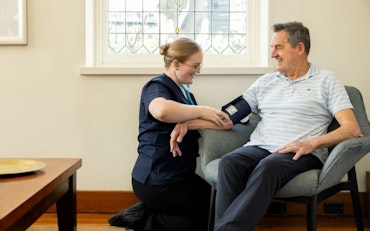
Much of this growth is attributed to ongoing demand for personal care assistants, support workers, and nursing aides – critical roles that are helping fill staff shortages in residential and community care settings.
“These jobs are ideal for people seeking stability and human connection,” Ms Dwyer said. “Many of our participants come from migrant or refugee backgrounds, or are parents and carers themselves. They bring empathy, cultural understanding, and life experience that enrich the care workforce.”
Migrant job seekers now make up around 15% of the Health and Medical workforce, supported through targeted programs that provide tailored training and qualifications – such as English language testing, First Aid and CPR, and Certificate III pathways in Health or Individual Support.
“With the right guidance, people are gaining the skills and confidence to move into sustainable employment,” Ms Dwyer said. “And the impact is felt both in their own lives and across the care community.”
From struggle to strength: Rong’s journey into care
For Rong, a mother and aspiring nurse, entering the care sector has been nothing short of transformative.
“After I lost my job, I felt completely lost,” she said. “I tried everything to get back into work, but no one would give me a chance. Joining Workskil’s Parent Pathways Program changed that.”
Through the program, Rong completed her Certificate III in Health Services Assistance, First Aid and CPR training, and regained the confidence to pursue her dream of becoming a nurse.
“It showed me I could be both a mother and a professional,” she said. “That belief gave me my life back.”
Now preparing to start her Diploma of Nursing, Rong hopes to eventually specialise in midwifery or aged care nursing.
“I want to work with people at vulnerable stages of life – to make them feel safe, respected, and cared for,” she said. “That’s what meaningful work looks like to me.”
Building a stronger care workforce
As Australia’s population continues to age, the sector’s need for skilled, reliable workers is only growing. Programs like those run by Workskil Australia are helping bridge that gap – not just by filling jobs, but by empowering people to build lasting careers in care.
“The aged care workforce is at the heart of community wellbeing,” Ms Dwyer said. “When we help disadvantaged job seekers find purpose in these roles, everyone benefits – the workers, the people they care for, and society as a whole.”