Older Australians want seat at the table to redesign aged care
New research from seniors peak body, National Seniors Australia, and national advocacy campaign, EveryAGE Counts, has found that a majority of older Australians want to have a seat at the table during the redesigning process for the next era of aged care.
![<p>The report from National Seniors and EveryAGE Counts found that older people believe co-design needs to be applied at different levels of aged care. [Source: Shutterstock]</p>](https://agedcareguide-assets.imgix.net/news/articles/news/articles/10_6_2021-Seat-at-the-table.jpg?fm=pjpg&format=auto&w=550&q=65)
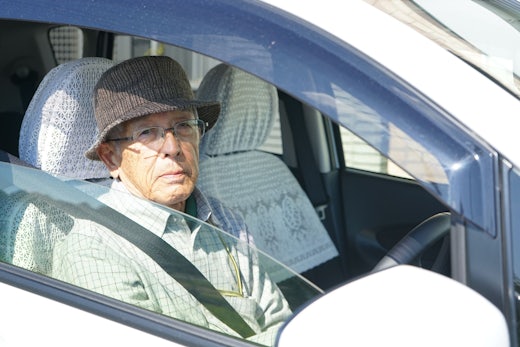
The report from National Seniors and EveryAGE Counts found that older people believe co-design needs to be applied at different levels of aged care. [Source: Shutterstock]
The survey of 5,430 older Australians involved answering a number of questions around aged care co-design involvement, after the Royal Commission into Aged Care Quality and Safety highlighted the importance of older Australians being involved in redesigning aged care in its Final Report.
Just over 80 percent of respondents (4,356 people) believed that if their opinions on aged care would make a difference, they would participate through a variety of feedback options, like online surveys, face to face groups, and facility feedback activities.
However, a substantial number of respondents expressed “cynicism” about their views being heard and acted upon by the Government.
Additionally, the feedback indicates that respondents felt like the current system doesn’t meet the needs of older people adequately, and it seems like the system is providing what the Government assumes older Australians need rather than what older people actually need and want.
Chief Executive Officer (CEO) and Director of Research at National Seniors, Professor John McCallum, says the response from older Australians shows there is a risk of ageism if bureaucrats are left alone to design the new aged care sector.
“The Royal Commission presented us with a once in a generation opportunity to get this right,” says Professor McCallum.
“We have no choice, we must listen to the voices of the people who will be most impacted by the new Aged Care Act.”
Other findings from the older Australians that were surveyed include:
-
Australian seniors are passionate about older people being involved at all levels of aged care system reform
-
Older Australians feel like the opportunities to be involved as co-designers of aged care are minimal
-
Older people are wary of “tokenistic gestures” from the Government, like consultation processes that ask for contributions from seniors but do not actually act on the feedback
-
Seniors are not just aged care recipients; most older people have valuable experience and expertise to share that can contribute to making changes in aged care
The report found that older people believe co-design needs to be applied at different levels of aged care – individual level, service level, facility level, and policy level.
Another interesting report finding was that older Australians were uncertain (32 percent) or didn’t know (27 percent) what co-design is. National Seniors believes this means that survey respondents are “baffled, sceptical or unconfident” about the concept of co-design as it is applied to the aged care system.
Director of EveryAGE Counts, Marlene Krasovitsky, says that co-designed aged care reform with older people tackles ageism at its root.
“Of course older people can and must be co-designers of the aged care system. The reason they have been largely excluded to date can be put down to ageism, pure and simple,” she says.
“Older people bring perspective, insight and in many cases valuable expertise to the design process. They must be around the table.”
National Seniors is hoping that their research can be used by the Federal Government in its search for a Council of Elders. The Council was recommended by the Royal Commission as an important committee for aged care reform.





















Comments