Older Australians need you to ask R U OK?
The effects of loneliness and isolation on older Australians have been highlighted in the wake of annual national awareness campaign R U OK? Day.

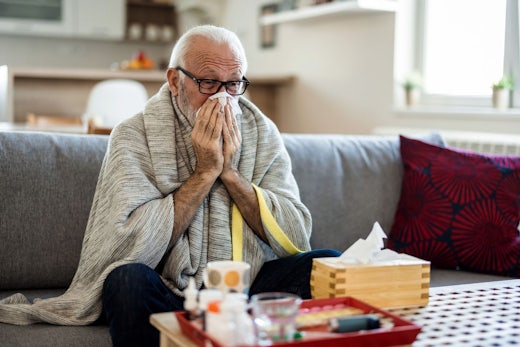
Check in with elderly relatives, neighbours and friends on R U OK? Day (Source: R U OK)
Held this year on 14 September, the campaign hopes to once again raise awareness and provide support for those struggling with life, rather than fundraise.
Chief Executive Officer (CEO) R U OK? Brendan Maher says for older Australians in particular, connectedness and support is important, with beyondblue estimating that between 10 and 15 percent of older people experience depression, and many aged over 65 feeling there is a ‘stigma’ attached to depression and anxiety.
“R U OK? Day is all about giving Australians a roadmap of how to have a conversation with someone they are worried about,” he says.
“It is a day for all people to get involved in – young and old – because we all need someone supporting us through life’s challenges.
“For older Australians, loneliness and isolation are a massive issue and, without the right support structure, they can have very negative consequences.”
With such a high risk of loneliness and isolation for elderly people, Mr Maher says it makes connecting and ‘checking in’ with older Australians all the more important – and not just on R U OK? Day.
“I think we could all be better with connecting with older Australians,” he says.
“They bring so much to our lives and community – and keeping their connections strong supports longevity and happiness.
“I worked at Lifeline for seven years and a lot of the calls we received from the elderly were from people who were just lonely and needed someone to talk to.
“We definitely recommend taking those steps to initiate a conversation with an older Australian on R U OK? Day but also to think about it every day.
“We need to think about what we can do each day and take the steps to reach out to an elderly relative or neighbour – a little thing like that can make such a huge difference.
“It doesn’t take long for things to change or take a turn – especially when it comes to the health of older people and we all know that having a sense of connection and having the feeling of belonging is important for wellbeing.”
Mr Maher adds that being connected with people means it is easier to see any changes, which could indicate the need for support.
“A good indicator that someone is not doing so well is changes in their behaviour, not turning up to things, or making excuses,” he explains.
“Having a conversation early on can really prevent something turning into a big problem – it can lead to massively positive outcomes instead of sad and negative ones.”
Among those running events and checking in with older Australians for R U OK? Day is RetireAustralia who are organising a number of morning teas and activities to start the conversation.
“It’s RetireAustralia’s philosophy to foster supportive and caring environments in our villages, so we are delighted to be taking part in R U OK? Day,” RetireAustralia CEO Alison Quinn says.
“Asking a friend, family member, neighbour or colleague: ‘Are you okay?’ can make an immeasurable difference to a person.”
Mr Maher also encourages everyone to think about what difference they can make each day, and reminds people not to let ‘being busy’ become a regret.
“Loneliness and isolation should never be a reason for someone to choose to end their life, and R U OK? Day is a great opportunity to check in and ask,” he says.
“So, pick up the phone – give a parent or grandparent a call or check in on that older neighbour – it could make a massive difference to that person.”
If you are affected by depression or anxiety and need to talk, contact Lifeline on 13 11 14 or beyondblue on 1300 224 636.
Resources for R U OK? Day and starting the conversation are available online.











![The new Aged Care Act exposure draft is slated for release in December of 2023, but advocates hope to see it rolled out on January 1, 2024. [Source: Shutterstock]](https://agedcareguide-assets.imgix.net/news/articles/wp/agedcareact__0811.jpg?fm=pjpg&w=520&format=auto&q=65)










Comments