Nation’s first people at heart of new dementia research project grants
Five ground-breaking research projects targeting the high rate of dementia in some Aboriginal and Torres Strait Islander communities have been announced as the recipients of $14 million in Federal Government funding.

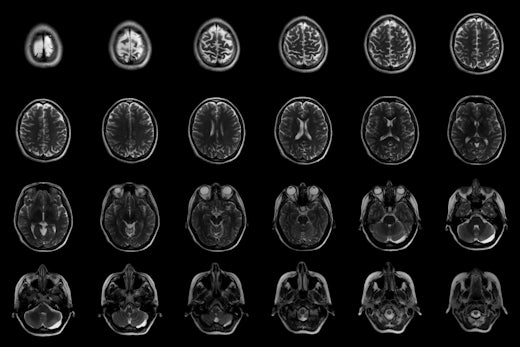
$14 million in Federal Government funding announced for research projects targeting dementia in Aboriginal and Torres Strait Islander communities (Source: Shutterstock)
The individual projects, which aim to boost dementia prevention, slow its onset and improve the lives of Aboriginal and Torres Strait Islanders living with dementia, have been allocated the finding through the National Health and Medical Research Council (NHMRC) in an effort to tackle the rising challenge of Aboriginal dementia, which occurs at more than three times the rate of other Australians, with earlier onset.
Minister for Aged Care and Indigenous Health, Ken Wyatt, says the projects are an important part of the Federal Government’s $200 million Boosting Dementia Research initiative that is all about fast-tracking interventions, treatments and “keeping Australia at the forefront of this critical field”.
“Projects like this are fundamental to our commitment to work with First Peoples to Close the Gap in health equality,” Minister Wyatt explains.
“From physical fitness to brain training, we expect this research to generate information that will translate directly into improved health outcomes and a better quality of life for Aboriginal Australians with dementia.”
Among the five NHMRC funding recipients is Dr Kate Smith, who will lead a University of Western Australia team looking to better identify and manage dementia risk factors, thanks for a $2.5 million allocation from the grant.
This particular project – Dementia Prevention and Risk Management Program for Aboriginal Australians (DAMPAA) – will run over five years at sites in Perth and Geraldton, and will work closely with local Aboriginal Community Controlled Health Services targeting at-risk people and trialling the impact of physical activity and a cardiovascular management program on the development of dementia.
Other grant recipients include: University of Melbourne, University of Newcastle, University of Western Australia, Baker Heart and Diabetes Institute and University of New South Wales; with projects covering areas of dementia prevention courses in Aboriginal communities, intensive risk management and developing online support tools for decreasing dementia.










![The new Aged Care Act exposure draft is slated for release in December of 2023, but advocates hope to see it rolled out on January 1, 2024. [Source: Shutterstock]](https://agedcareguide-assets.imgix.net/news/articles/wp/agedcareact__0811.jpg?fm=pjpg&w=520&format=auto&q=65)











Comments