Longevity and loneliness biggest risks for older Australian women
The extent of concern over longevity and increased loneliness of older Australians has surfaced following the release of results from the 2017 National Seniors Social Survey (NSSS).
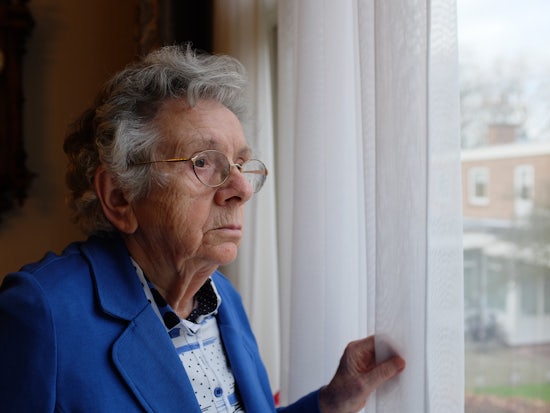
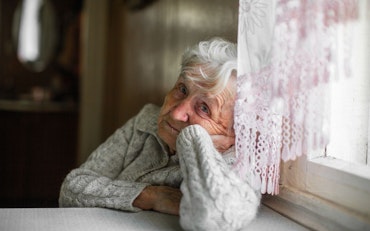
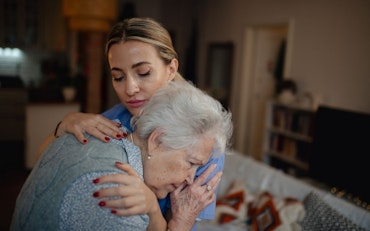
The 2017 NSSS reveals that older women are at a disadvantage (Source: Shutterstock)
Conducted annually by seniors advocacy group National Seniors since 2009 and in collaboration with Challenger since 2012, the survey, which is carried out under contract with the Commonwealth Department of Health, aims to provide different research outcomes each year with the results used to inform National Seniors policy and advocacy priorities.
National Seniors Australia Research Fellow Dr Karen Rees says this year’s survey, conducted between 24 May and 11 June, explored the wellbeing of seniors and revealed a clear disadvantage among Australian women.
“[The 2017 NSSS] addresses the following research areas: financial concerns of the over 50s, their financial literacy and decision-making, older people’s relationship with the labour market, attitudes to retirement and pension entitlements, social wellbeing among mature-age people, the issue of loneliness, levels of wellbeing, how wellbeing of older Australians change over time, life satisfaction, life purpose, and levels of intergenerational conflict or support,” she says.
“It shows us that older Australians have a better understanding of their longevity risks – they will live longer than any previous generation and need to be planning for this financially.
“They are especially concerned about their income lasting for their lifetime, and having a regular, constant supply of money.”
She adds that 25 percent of survey respondents have indicated that they have no plans for an increased life expectancy and that when analysed the reason for this, some said they had entered retirement with very little super – a response that was common especially among women.
When it comes to longevity, Dr Rees says the risks are higher for women.
“They live longer and are more likely to be living alone in older ages,” she says.
“70 percent of women over 80 live alone, compared to only 25 percent of men in this age group.
“[In addition] people are experiencing more loneliness as they age and women more so than men – many are experiencing depression and no sense of purpose and this data is currently being analysed for a further report.”
Also revealed in the survey was a change in retirees leaving inheritance – with only 3 percent saying they would preserve all their money for inheritance.
“The majority, 87 percent, say they will preserve some money for their estate,” Dr Rees says.
“This includes 41 percent who will spend most of their money, and 46 percent who will spend some.
“It seems that most seniors are intending, hoping and trying, to leave an estate – only 10 percent say they will spend all their money during their lifetime.
“When we conducted a follow-up survey of the people who say they will spend all their money, the main reason was for necessity.”
She adds that the following quote, included in the report, was a typical response.
“I helped out with the deposit on the first home for both children so that they could get established in a home of their own. The children received a good education and were able to step into well-paying jobs in Australia. My current income does not cover the cost of running a home and so there will be nothing left to leave the children.”
Given the level of concern over retirement income and increased longevity, Dr Rees says it is no surprise to see that this is an area the government are looking at improving.
“Older Australians want a consistent income in retirement that will last them,” she says.
“Government will be working to try and ensue with services that superannuation is used well with guarantees of lifelong income in place.”