Living with dementia needs more support
Calls for more help for those living with and supporting those with dementia have been made and heard in recommendations put forward in a new discussion paper.

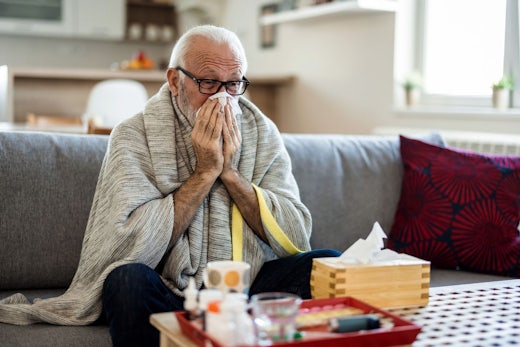
Living with dementia increases relationship complexity (Source: Shutterstock)
The newly released discussion paper calls for the Australian Government to fund quality respite and counselling services to ensure the 400,000 people living with dementia, their families and carers are well supported.
Advocates for additional support, Alzheimer’s Australia NSW’s Chief Executive Officer (CEO) John Watkins says family relationships are already complex and that living with dementia only increases this complexity.
“Dementia impacts on the roles people hold within the family,” Mr Watkins says.
“If a person with dementia was the provider and decision-maker, or if responsibilities were shared, that role is then taken on solely by their spouse or children.
“Not only does the person living with dementia lose their independence, but the roles of their partner or children will also change.”
Mr Watkins says that roles may be reversed due to the impact of dementia and could see children parenting their parents and a spousal carer may feel grief and loss for their companion.
“Dementia has a significant impact on an individual’s identity within the relationship, which inevitably affects a person’s feeling of worth and sense of self,” Mr Watkins says.
A number of the key recommendations from the discussion paper include:
- The Australian Government funds quality respite services to support carers to continue caring for loved ones with dementia at home and avoid premature entry into residential aged care.
- The Australian Government increases funding for counselling services for people with dementia and their carers.
- The Australian Government funds a pilot program of telephone-based support groups for carers of people with dementia (especially for people in rural and remote areas).
- The Australian Government funds further research and knowledge translation activities on the impact of dementia on relationships to improve provision of targeted, relevant support services.
- Residential aged care facilities provide support to people living with dementia and their carers to maintain relationships, and enable opportunities for physical intimacy within aged care homes. For example, organisational policies and staff training to address these issues.
Coinciding with the release of the discussion paper, a Care of People with Dementia in their Environments (COPE) program is rolling out in South Australia and New South Wales.
The program aims to support people in their own home and assist them in maintaining their independence longer with more assistance from nurses, occupational therapists and carers.











![The new Aged Care Act exposure draft is slated for release in December of 2023, but advocates hope to see it rolled out on January 1, 2024. [Source: Shutterstock]](https://agedcareguide-assets.imgix.net/news/articles/wp/agedcareact__0811.jpg?fm=pjpg&w=520&format=auto&q=65)










Comments