

Landmark study shows ageism is alive and well among older Australians.
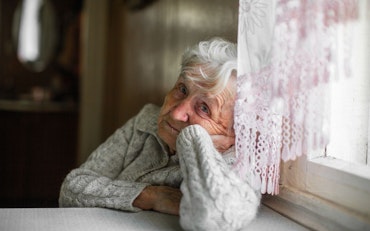
The most comprehensive national study ever undertaken to seek the views of Australians over 50 has found a third of older Australians have experienced age discrimination and nearly half feel less valued by society than when they were younger.

The State of the (Older) Nation 2018 Report looks at key issues for older Australians in areas such as employment, age discrimination, cost of living and financial security. (Source: COTA)
The inaugural State of the (Older) Nation 2018 Report was launched by Council of the Ageing (COTA) in Canberra today and looks at key issues for older Australians in relation to employment, age discrimination, cost of living, financial security, health, home and aged care, housing, later life planning, consumer rights and transport.
COTA Australia Chief Executive Officer (CEO) Ian Yates says that overall, the report tells a positive story about life for the majority older Australians, but includes some worrying figures.
“[The report] tells us most older Australians believe they have a good quality of life. However, we’re very concerned about the number of older Australians who are telling us they’re not coping with the rising cost of living – many of whom are renting and facing challenges to pay bills,” My Yates says.
“There are also too many older Australians feeling ignored, left behind or discriminated against in society and this report shows action is needed urgently, particularly to address the needs of vulnerable older Australians.”
With nearly a third of our population – 7.9 million people – aged 50 and over, Mr Yates says more needs to be done to support older members of the community.
“COTA Australia is calling on all sides of politics to commit to a long-term national strategy to address the needs of older Australians – including increasing rent assistance by 40 percent, taking a whole-of-government approach to services for older Australians and improving access to oral and dental health services for older Australians,” he says.
Advocating for the needs of seniors living in South Australia, COTA SA CEO Jane Mussared says the findings reinforce the urgent need to address discrimination and ageism against older workers and job seekers in order to reduce the serious knock-on effect that unemployment has for this large, and growing portion, of our community.
“We tend to count unemployment but this report identifies underemployment as a problem for more than a quarter of older people who are working,” Ms Mussared says.
“This is despite the study finding that the vast majority of older Australians feel younger than their current age, with more than half feeling at least 10 years younger with plenty more to give.”
The report investigated issues including employment, age discrimination, cost of living, financial security, health, home and aged care, housing, later life planning, consumer rights and transport.
Highlights of the report include:
-
80 percent of older Australians feel younger than their current age
-
46 percent feel less valued than when they were younger
-
Health is the number one factor that impacts whether older Australians have a high or low quality of life
-
84 percent support legislation for assisted dying
-
More than a quarter (28 percent) of those in paid employment want more paid work but 1 in 5 have experienced employment-related age discrimination
-
29 percent of working older Australians don’t expect they will ever retire
-
12 percent are struggling with overdue bills
-
More than half of older Australians undertake unpaid work in an average week, including volunteering and caring for family and friends
-
Only one in five (19 percent) older Australians feel valued as a voter
Ms Mussared says underemployment has far reaching consequences, leading to both financial and housing stress.
“We now know that one in two older Australians are anxious about the rising cost of living with a quarter worrying about whether their finances will be adequate to meet their needs for the rest of their lives,” she says.
“Those who are already struggling to cope financially or whose circumstances change suddenly, losing access to adequate work income in our 50s and 60s can have dire consequences, including an increased risk of homelessness.
“It’s double jeopardy, whereby many people say they need to work longer because they can’t afford to retire, but on the other hand, they’re being discriminated against based on their age so are struggling to stay in work.”
The full report is available to download here.