Cognitive screening in hospitals helps reduce health risks
The need to screen, identify and provide tailored care to those with cognitive impairment in a hospital setting is the driving force behind the introduction of a new model of care in Australian hospitals for patients aged over 65.
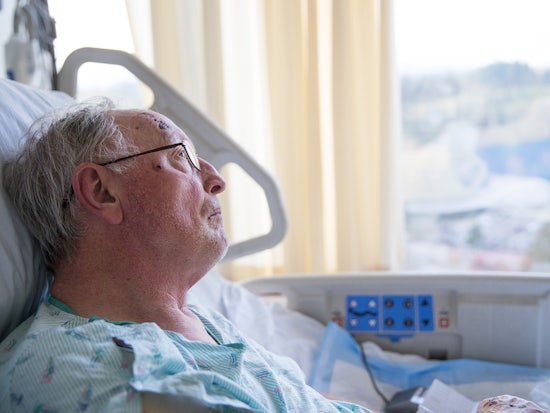
New model of care in Australian hospitals screens patients aged over 65 for cognitive impairment to provide better care (Source: Shutterstock)
The communication and education program – The Dementia Care in Hospitals Program – which is an ‘all of hospital program’ that links to a bedside alert called the Cognitive Impairment Identifier (CII), developed in Victoria by Ballarat Health Services and grew to service 25 hospitals in the state from 2004 when the program was first introduced.
Research derived as part of a national roll-out across four hospitals over 3 years from 2014 has shown that 40 percent of people aged 65 and over in hospitals have been found to have a cognitive impairment, with Associate Professor Mark Yates, Ballarat Health Service’s Geriatrician, also saying that these patients have a three times increased risk of hospital-acquired complications compared to those with no impairment.
“Through a Commonwealth Government grant we were able to develop four sites nationally with the hope that they could drive the growth of the program in their respective states,” Mr Yates says.
“The research at the four sites is now all but finished and is what has provided us with the statistics that this age group (those over 65) are more likely to acquire a complication than those they are age matched with who do not have cognitive impairment.”
As part of the program hospital staff are trained to screen all new inpatients and pre-admission patients over 65 using a simple test of memory and thinking.
If the test suggests some difficulty with memory or thinking, staff then seek permission to use the CII over the bedside. This then acts as an alert to all other visiting staff, including non-clinical staff, to assist the patient by using the key Dementia Care in Hospitals Program communication strategies, leading to one carer noting that ‘staff then took their time to explain procedures’.
Professor Yates says the CII is trademarked so that the device cannot be used without the implementation of the program alongside.
Dementia Australia CEO Maree McCabe says there are a number of complications and preventable injury that those with cognitive impairment who are admitted to hospital have a higher risk of developing.
“They experience more complications, including urinary tract infections, pneumonia, delirium and pressure ulcers,” she says.
“Further, the average length of stay in hospital for someone with dementia can be significantly greater than the general population.”
Professor Yates adds that he hopes the program is continued in the four participating hospitals and spread throughout their respective states due to the increased benefits recorded for both patients and staff.
“If we can identify cognitive impairment early in hospital, patients, staff and family carers can be better informed and supported to provide tailored care that could lead to improved health outcomes for the patient,” he says.
“The implementation of the Dementia Care in Hospitals Program has resulted in a significant increase in staff confidence and comfort when supporting patients with dementia, delirium or memory and thinking difficulties.
“For those who are not being screened, they should be asking the question ‘why not?’
“Some may be scared to ask or to even be screened but it is important those who are unable to ask for help themselves are identified.
“If we can’t identify those who can’t advocate for and look after themselves, then they are being placed at risk.”
More information about the program can be found online.










![The new Aged Care Act exposure draft is slated for release in December of 2023, but advocates hope to see it rolled out on January 1, 2024. [Source: Shutterstock]](https://agedcareguide-assets.imgix.net/news/articles/wp/agedcareact__0811.jpg?fm=pjpg&w=520&format=auto&q=65)










Comments