


Centenarian looks back on time living through World War II
Centenarian Eric Tweedale, resident at Peninsula Villages in New South Wales, reminisces on his life during World War II on ANZAC Day, including his interrupted rugby career and finding love after the war.
![<p>Eric Tweedale, resident at Peninsula Villages in New South Wales and former World War II veteran, reflects on life before, during and after the Second World War on ANZAC Day. [Source: Supplied]</p>](https://agedcareguide-assets.imgix.net/news/articles/news/articles/21_4_2022-Eric-Tweedale-1.jpg?fm=pjpg&format=auto&w=550&q=65)
Eric Tweedale, resident at Peninsula Villages in New South Wales and former World War II veteran, reflects on life before, during and after the Second World War on ANZAC Day. [Source: Supplied]
For Mr Tweedale, ANZAC Day is an important time, as he served and fought for Australia during a very difficult war.
“I am one of few servicemen who are still alive after WWII so Anzac Day is very important to me,” explains Mr Tweedale.
“I remember all the servicemen I fought with and although most of them are no longer with us, it’s an important day for all Australians to remember their bravery and to understand the freedoms we have today are very much due to their sacrifices.”
Before WWII, Mr Tweedale was an avid rugby player, picking up the sport at the age of 15, where he developed a strong passion and love for the game.
Mr Tweedale says that he was born to be a sports person as he wasn’t a very good student. He ended up getting a job instead of finishing school, getting paid 12 shillings and threepence, which is around $1.30 a week.
While he was working, he was approached by Wallabies rugby player ‘Wild’ Bill Cerutti who encouraged him to pursue the sport.
“I had never seen the game played but Bill said ‘Well, you’re big enough, would you like me to take you over to Parramatta Rugby Union Club to see what we can make of you?’ By the time the season was finished I was wrapped in the game,” says Mr Tweedale.
“I was a permanent member of the Parramatta club and was one of the youngest members to ever be picked for the representative team.”
However, Mr Tweedale had to take a break from rugby to join the Royal Australian Navy during the Second World War.
It ended up being an eight-year-long break from the sport he loved.
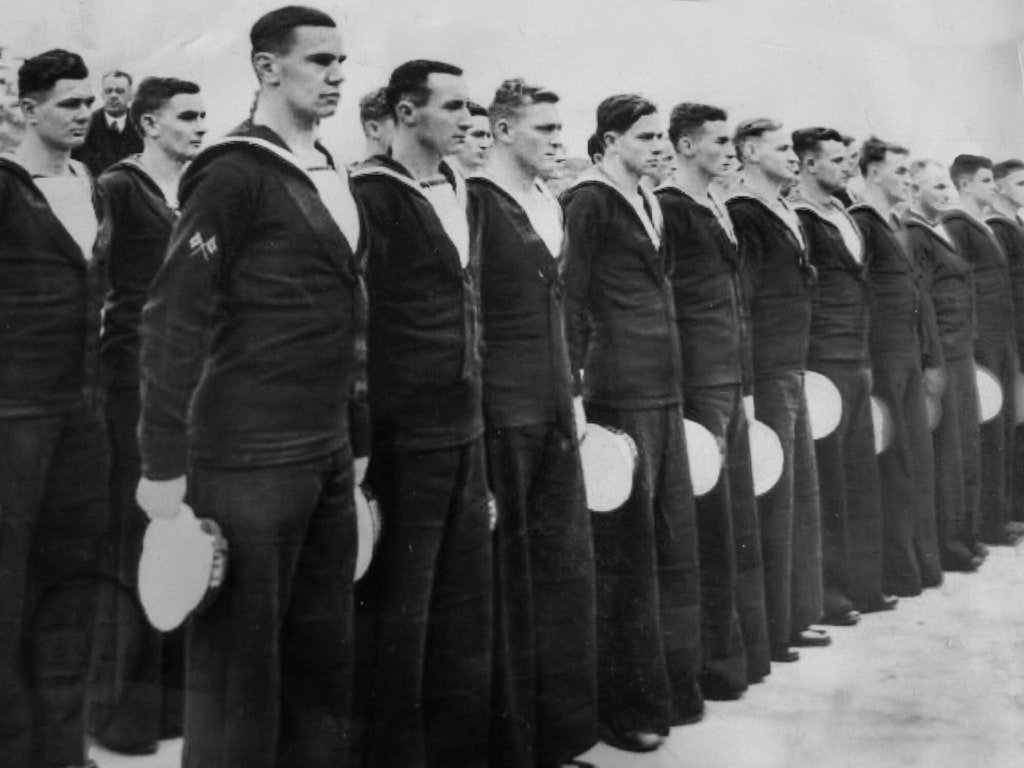
Mr Tweedale was deployed in 1942 to Sydney, after extensive training with the Royal Australian Navy, when it was attacked in May by Japanese midget submarines.
Following that, he was drafted to cruise around the Australian coast, protecting and escorting merchant ships to our shores.
Mr Tweedale says on his first night out at sea on the SS Iron Knight, one of the ships in the 14 ship convoy was sunk.
On his ship, Mr Tweedale was a convoy signalman, so he would use Morse code and flags to keep other ships in the fleet in constant communication with each other.
He started moving up north as the war progressed to protect merchant ships around Queensland, as the iron ore and coal the ships carried were an important resource that was being targetted by the Japanese.
When the war finished and he was back working, Mr Tweedale found out on his way home from work that he had been selected for the Wallabies, the Australian rugby team, and would be going on the 1946 tour to New Zealand.
Mr Tweedale says, “I was working for a Shell company at the time and I knocked off that day, bought a paper, got on a train, sat down and opened the paper, always starting at the back. There was the team listed in print on the back page of the sport section and there it was, my name printed.
“That tour was a challenge. After the war, half our team was made up of soldiers while the other was new kids off the block.
“The New Zealand team had been to England and just returned so they were tough and hardy, they were internationally recognised and their passion was so great that it made them a hard team to play against.”
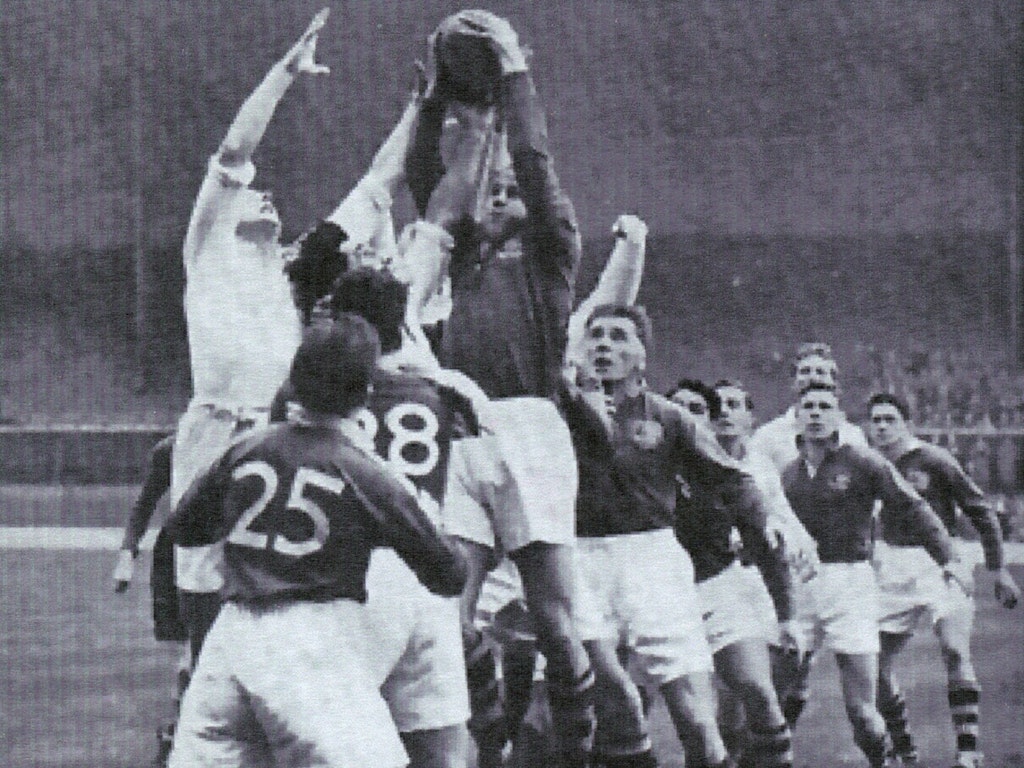
Over his rugby career, the standout performance was when he was chosen for the third Wallabies tour to the United Kingdom and Europe, where he played in four of the five Tests and was even selected in the first-ever match against the Barbarians Rugby Union Football Club.
Another part of Mr Tweedale’s life that was put on hold for the war was his engagement to his wife Enid, who unfortunately passed away last year.
They were engaged to marry in 1942 before Eric joined the navy and fought in WWII. Over the three years he served, the couple drifted apart and ended up leading their own separate lives.
In 2004, Mr Tweedale did a favour for his friend, which was to look after a widow for a day ahead of an RSL reunion.
“I asked, ‘What’s her name?’ They said, ‘Enid Wagner, do you know her?’ Know her? I almost married her!” recalls Eric.
“So we met at the big clock at Sydney Central Station and took on from there. Two years later, I lost my second wife Phyllis, so [Enid and I] ended up together 64 years after we last saw each other!”
Mr Tweedale regaled his life story a part of The 100 Project recently to celebrate his upcoming 101st birthday on 5 May. The 100 Project aims to celebrate the lives and stories of Australia’s 100-year-olds. To see his full story, head to The 100 Project website.