Analysis found regional housing may be the future of affordable living
Low-income, older Australians have faced significant problems with regards to housing affordability.
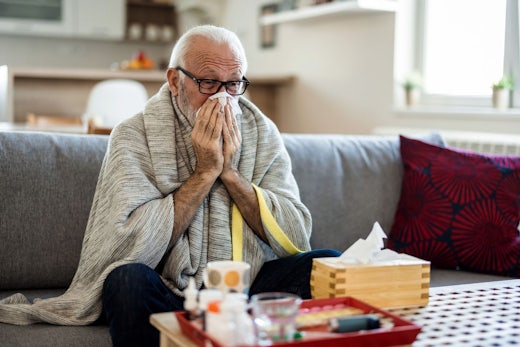
![<p>Have you considered accommodation in regional Australia? The outback might be your key to owning a home in later life. [Source: Shutterstock]</p>](https://agedcareguide-assets.imgix.net/news/articles/wp/olderruralaussieaccom.jpg?fm=pjpg&format=auto&w=550&q=65)
Have you considered accommodation in regional Australia? The outback might be your key to owning a home in later life. [Source: Shutterstock]
Key points:
- The Australian Housing and Urban Research Institute [AHURI] reported that an estimated 440,000 older households will be unable to find or afford suitable housing by 2031
- Older Australians on lower incomes have been strapped for housing options getting worse with home ownership rates falling over the past 20 years
- In the 2023 Demographia Housing Market Affordability Index, statistics revealed that Sydney, Melbourne, Brisbane and Adelaide were all found to be less affordable than the New York housing market, relative to household income
Older Australians with lower net incomes than the general population were likely to have similar housing aspirations to their median income counterparts, according to new research published by the Australian Housing and Urban Research Institute [AHURI].
However, older people continued to face precarious housing circumstances, as of August, 2023. AHURI researchers reported that policy changes were needed to address housing availability, the general understanding of housing options for older people and development in regional Australian accommodation.
Authors of the AHURI Inquiry into housing policy and affordability for older Australians reiterated a concern noted by The Royal Commission into Aged Care Quality and Safety in 2021:
“[…] older people who are at risk of not having secure and accessible accommodation are especially at risk of not being able to receive aged care services in their homes or to age in place,” Tony Pagone, Queen’s Counsel [QC] and Lynelle Briggs, Member of the Order [AM] tabled in the March, 2021 report.
Older, low-income renters were mapped across Australian regions to determine population increases by 2031. The largest projected increases are likely to be in peri-urban and outer-suburban regions.
Researchers estimated that several areas across South Australia would have an increase in the number of older, low-income renters, with an expected 68 percent uptick in Victor Harbor; Port Lincoln, 40 percent; and Murray Bridge, 61.4 percent.
In Victoria, increases are expected in the regional centres of: Horsham, 48 percent; Shepparton, 47 percent; Ballarat North, 72.1 percent; and Wodonga, 93 percent.
Authors of the research report concluded that aged care would require staffing and further policy changes would need to finance regional care access.
“We found that people want housing that is achievable, with some factors gaining greater significance as people get older, such as they want to stay in an affordable home and to live in safe, secure and neighbourhoods,” lead researcher, Dr Debbie Faulkner from the University of South Australia said.
Although State and Territory housing access and affordability differ across the nation, strong population increases — between 40 percent and 100 percent — are expected in many regional centres up to 2032.
Anglicare Australia’s rental affordability snapshot, published in 2023, revealed that of the 45,895 rental listings assessed, only 162 rentals (0.4 percent) were affordable for a person on the Age Pension.











![The new Aged Care Act exposure draft is slated for release in December of 2023, but advocates hope to see it rolled out on January 1, 2024. [Source: Shutterstock]](https://agedcareguide-assets.imgix.net/news/articles/wp/agedcareact__0811.jpg?fm=pjpg&w=520&format=auto&q=65)










Comments