

Training your brain can leave you less forgetful
Many people don’t realise that memory is like a muscle, it must be trained to stay strong.
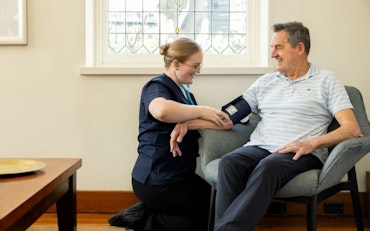
Research shows that brain training can increase your brains efficiency in performing everyday tasks and improve memory (Source: House Call Doctor)
Everyone experiences memory lapses over time due to a variety of reasons. One of those reasons is due to ageing, with the part of the brain that creates and retrieves memories (the hippocampus) losing 5 percent of its nerve cells every decade.
This degeneration can make seniors feel beyond frustrated as they start to forget small details like why they walked into a room, or larger details like their grandchildren’s names.
Dr Ryan Harvey – a home doctor in Brisbane – says, “The sooner you start training your memory, the longer it will last as you grow older.”
Research shows that brain training can increase your brains efficiency in performing everyday tasks and improve memory.
If you’re struggling to remember everyday things, Dr Harvey has six exercises that might help sharpen your mind.
1. Test your recall
“Make a list of grocery items, things to do, or anything else that comes to mind and memorize it,” Dr Harvey says.
“An hour or so later, see how many items you can recall. Try to make the items on the list as challenging as possible as this will give you greater mental stimulation.”
2. Get a little musical
Dr Harvey recommends you learn to play a musical instrument or join your local choir.
“Research shows learning something new and complex over a prolonged period of time is ideal for sharpening an aging mind,” he explains.
3. Take a cooking class
“Learn how to cook a new cuisine with friends or by yourself,” Dr Harvey suggests.
Cooking uses many senses (smell, touch, sight, and taste), which all involve using different parts of the brain.
4. Create word pictures
Visualize the spelling of a word in your head. Then try to think of any other words that begin (or end) with the same two letters.
5. Try this 4-details observation exercise
Memorise four details about every person you encounter during the day. For example, let’s say someone is wearing a grey sweater, blue hat, white pants, and grey shoes.
“The 4-details observation exercise is great with passive memory training as the goal is to observe the details first and then recall them later,” Dr Harvey explains.
6. The three basics – eat, exercise, and sleep
This one is a no-brainer. For your mind to have the best chance at remembering you need to have the right nutrition, consistent exercise, and high-quality sleep.
“Omega 3’s and antioxidants are a great nutritional combination that gives your mind the power it needs to train your memory,” Dr Harvey says.
“Exercising at your own level, (whether it’s yoga, aerobics or walking, increases the amount of oxygen to your brain and reduces the risk of developing disorders that lead to memory loss, such as cardiovascular disease.”
The Sleep Foundation recommends older adults get 7-8 hours of sleep a night. Missing even a few hours can significantly affect your memory, creativity, problem solving abilities, and critical thinking.
“Sleep lets our brain cement the new information we’re taking in for a better recall later on,” Dr Harvey explains.
When taking part in any of these exercises, Dr Harvey reminds people to be patient and practice the suggested exercises, adding that people will feel their memory improve in no time.
If you’re concerned about memory loss, make sure you see your doctor.

Dr Ryan Harvey is the Deputy Clinical Director at House Call Doctor. He is highly experienced in paediatrics, and has administered medical care to children living in remote overseas communities. He now works with families, administering acute care when unexpected medical situations arise overnight.