

Providers, indirect and direct care workers — how Stage Three will impact you
Do you believe that some workers are more entitled to a raise than others in the aged care sector?
![<p>As aged care workers have expressed joy over the Fair Work Commission decision, providers have said they fear the impact it will have on their service provision. [Source: Shutterstock]</p>](https://agedcareguide-assets.imgix.net/news/articles/wp/stage3aged__1803.jpg?fm=pjpg&format=auto&w=550&q=65)
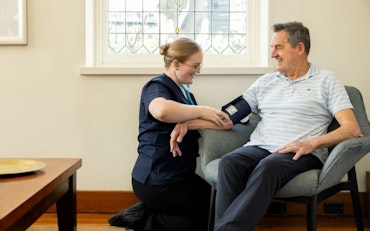
As aged care workers have expressed joy over the Fair Work Commission decision, providers have said they fear the impact it will have on their service provision. [Source: Shutterstock]
Key points:
- Approximately 200,000 aged care staff may receive a pay rise of between 6.8 and 28 percent — inclusive of the 15 percent rise announced in 2022
- The aged care work value case was lodged by the Health Services Union in the Fair Work Commission in November 2020
- Interested parties are invited to comment on the draft determinations by 4pm AEST on Friday 26, April 2024
Aged care staff — including support services workers, such as laundry hands, cleaners and food services assistants — were awarded a pay rise on Friday, March 15, 2024.
The aged care work value case was lodged by the Health Services Union in the Fair Work Commission in November 2020.
A Certificate III qualified personal care worker now on level three — the most common level — will see their wage rate rise from $24.76 an hour in June last year to $32.21 an hour after applying the additional eight percent wage increase from Friday’s decision.
Aged Care Director Carolyn Smith of the United Workers Union welcomed the decision and characterised it as ‘historic.’
“For too long the work provided by aged care workers has been undervalued and it’s great to see that recognised in up to 28 percent total work value wage increases,” she said.
“When these substantial increases are included with last year’s 5.75 percent movement in award wages, aged care workers are in line for life-changing pay rises that finally recognise the hard work they do.”
However, Ryan Price, head of content and training at employment relations specialist Employsure, said the decision was complex and providers were already facing an added strain from the previous raise.
“While the figure of a 28.5 percent increase is being circulated, it isn’t entirely accurate. The increases range from between 13.3 percent to 28.5 percent, inclusive of the previous 15 percent depending on the level of an employee,” he said.
“With relative increases, a new benchmark rate is set for personal care and home care workers that have a Cert III qualification.
“What the Commission has really done is try to increase the value and reorganise it around the concept of relative complexity, much the same way they have in the past by using relativity to a qualified tradie in construction and other industries.
“It’s important to carefully consider the impact of these cases and make sure you are seeking professional advice about what they mean for you and your business.
“Nonetheless, this Stage Three decision of the work value case comes at a time when small businesses operating in the care and community sector have already been stretched by significant increases handed down in the previous 15 percent increase last year.
“The Fair Work Commission have delayed a decision on when these changes will take effect, which leaves anyone working in the industry with a sword of Damocles hanging over their head wondering when it will fall.
“The Federal Government have asked the Commission to hold off on their decision for four weeks while they consider their position on this as part of the budget process. We will be keeping our fingers crossed that this means that they are considering assistance for business in the sector to soften the blow.”
What do you think of the Fair Work Commission’s decision to increase the wages of direct and indirect care workers differently? Let the team at Talking Aged Care know and subscribe to the newsletter for more information, news and industry updates.
Related content:
Aged Care Taskforce report concludes taxpayers can’t foot the bill
How an ageing population permanently changed the Australian economy
What is money being spent on in Australia’s aged care sector?