

Pandemic has worsened the mental health of carers
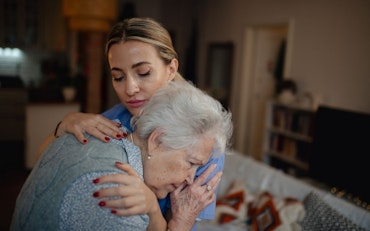
A recent survey from Carers Victoria has found that over 75 percent of carers in Victoria are experiencing increased levels of loneliness due to the ongoing impact of the COVID-19 pandemic.
![<p>The mental health of carers has been greatly impacted by the COVID-19 pandemic. [Source: Shutterstock]</p>](https://agedcareguide-assets.imgix.net/news/articles/news/articles/7_4_2022-Carers-Vic.jpg?fm=pjpg&format=auto&w=550&q=65)
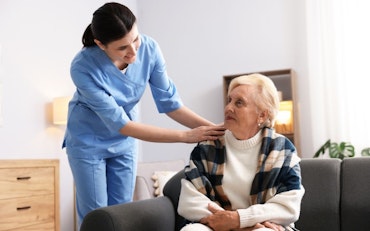
The mental health of carers has been greatly impacted by the COVID-19 pandemic. [Source: Shutterstock]
The survey, Carers Victoria: Carers COVID Survey, was undertaken by 1,100 unpaid Victorian carers with 86 percent saying their satisfaction for life has greatly declined since the pandemic began.
Prior to the pandemic, carers were already dealing with isolation, mental health issues, difficulties accessing health services, financial difficulties, and a lack of available respite services.
However, COVID-19 has greatly increased the negative impacts on carers’ wellbeing.
The aim of the survey was to see how carers were feeling about the prospect of living a “COVID-normal” life, with around 72 percent of carers saying they were intending to do some form of isolation during the COVID-normal period.
Chief Executive Officer (CEO) of Carers Victoria, Judith Abbott, says the mental health and wellbeing findings from the survey were quite striking, with 80 percent of carer respondents saying their mental health was worse than when the pandemic began.
She is also hopeful that this data will encourage Government to invest in areas that better protect and support the 700,000 Victorian carers, or 2.65 million Australian carers, who provide unpaid care and support to their loved ones.
“[This survey] starts a conversation about who unpaid carers are, what they do, and why they are important. Because all of us will be a carer, need a carer or know a carer at some point in our life,” explains Ms Abbott.
“…Carers are looking for things that mean they can have the same opportunities and live the same lives that everyone else does, we think Governments have an important role to play in that space, as do others, like employers.”
Another surprising result of the survey was how COVID-19 had impacted the work lives of carers in Victoria.
Almost half of survey respondents said they had changed their employment arrangements to accommodate their caring role.
In addition, Ms Abbott says one in eight carers either resigned or retired early as a result of needing to change their arrangements to better meet the needs of their care recipients during the pandemic, which was a “quite striking” finding.
Prior to the COVID-19 pandemic, carers were already experiencing loneliness and social isolation at more than double the rate of the general population.
Once the pandemic was in full swing, it increased the pressure and worry on carers and also resulted in more than 50 percent of survey respondents having to provide more complex and direct clinical care to their loved ones that would normally be undertaken by trained medical and health professionals.
One positive that came from the pandemic was the improvement of telehealth services, which has allowed many carers to access health services without having to attend clinics in person.
Ms Abbott says, “It has been a particularly challenging time for carers, who already had a complex and sometimes difficult role before the pandemic hit.
“As we rebuild and reconnect across Victoria, it’s important that carers and the people they care for don’t get left behind.”
One survey respondent described his experience caring for his loved one through COVID as being like “carrying an elephant, barefooted and uphill on a never-ending track full of thorns”.
Carers Victoria intends to use this survey’s results within their policy planning for the upcoming Victorian and Federal Elections.
At the moment, the national body Carers Australia is currently asking for a number of commitments from major Federal parties including:
- The establishment of a Minister for Carers and an Office for Carers
- Funding for increased mental health and wellbeing supports for carers
- Employment assistance for carers who are currently an “untapped pool” of talent that could improve the current workforce shortages
“We are hoping that both levels of Government will see the value of what we are providing and the kind of things they need to return to COVID normal, because we don’t want [carers] to be left behind,” adds Ms Abbott.