

New resource will add life to your years
With a screening tool giving individually tailored information tips on how to maintain vim and vigour, as well as an area of reference for health professionals and General Practitioners, a new online resource is aiming to monitor and reduce the level of frailty in older people.

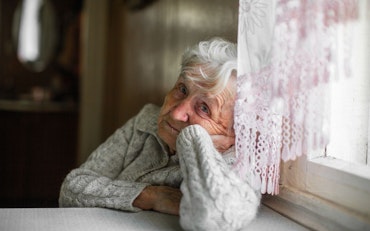
The new online tool enables older people to take a proactive approach to their health and wellbeing (Source: Shutterstock)
Ageing is inevitable but the pace at which the physical changes occur can be slowed with the right activity, diet, medication and social interaction.
The Positive Ageing Resource Centre (PARC) website, developed by Victorian provider Benetas together with Monash University, asks five simple questions to assess where individuals could use support in managing the effects of ageing.
Users can then choose whether to have a very simple summary of their risk of frailty on screen or, by answering ‘yes’ at the end of the questions and entering a few more details, receive a free customised report and recommendations on how to reduce risk, and a letter they can print off and take to their GP.
“By signing up, this will also give them access to other useful tools on sleep, diet, medication, exercise and additional social support,” explains Stephan Burgess, Chief Investigator for Frailty Project, Benetas. “No password is required to access this information.”
Mr Burgess points out people who are frail often self-identify as living in good health, and it’s other people who may notice changes. “As well as older people, people who are close third parties, for example an adult child of a parent can sign up on behalf of the person to access the information,” he highlights.
Benetas Chief Executive Officer Sandra Hills says the multi-faceted nature of the website enables older people to take a proactive approach to their health and wellbeing to help prevent serious health issues.
“We know that when people with frailty are exposed to a minor stressor such as infection, they become especially vulnerable to more adverse health outcomes,” she says.
“The symptoms of frailty are quite subtle and are often not noticed; the aim of this tool is to help people pick up on signs earlier and then, together with their General Practitioner, ultimately treat and prevent frailty from having a serious and negative impact. “
Funded by the Australian Government, PARC is part of a suite of frailty research being conducted by Benetas, and information provided with the consent of participants will go on to further frailty research.
The researchers are acting only to improve the quality of the resources and will not share details or use them for commercial purposes.
“In collaboration with Monash University, we hope to develop ways of slowing and even reversing the impact of frailty, which would be highly significant to improving the lives of older people,” says Ms Hills.