
New dysphagia-friendly cookbook looks beyond the blender
A cookbook full of recipes designed specifically for people who have difficulty swallowing is now just a click away.

Beyond the Blender features recipes in three different categories which are compliant with the Australian standards for texture modified foods. (Source: Beyond the Blender)
Beyond the Blender: Dysphagia Made Easy is the brainchild of speech pathologist and Griffith University researcher Simone Howells, and has been created by Master of Speech Pathology students at the School of Allied Health Sciences.
“When I graduated as a speech pathologist I was working with patients with dysphagia in hospitals,” Ms Howells says.
“That’s a very controlled environment. What’s brought up from the kitchen is exactly what the patient with dysphagia eats.”
However, when her work took her into the wider community and people’s homes, Ms Howells realised that environment was unlike the clinical setting.
“They can walk up to the fridge and grab just about whatever they want. The temptation is there to essentially eat or drink something that may not go down the right way which can be catastrophic for the patient with dysphagia,” she says.
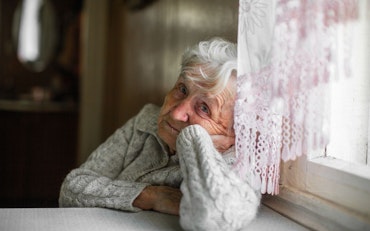
Dysphagia is known to affect up to 1 in 3 people in the community. It is most common among people aged over 65 and can be caused by neurological conditions like stroke and Parkinson’s disease and if left untreated it can be fatal.
“The symptoms can be as simple as taking longer at mealtimes and needing more time to chew and to swallow. But dysphagia can also cause pain and discomfort, the feeling of something stuck in the throat. It can cause coughing, throat clearing or sneezing during eating and drinking, so it can manifest in any number of different ways,” Ms Howells says.
Ms Howells says dysphagia can severely impact people’s social lives.
“A person with dysphagia can’t go to a normal café and order off a normal menu. It is also difficult for them to manage it at work, preparing drinks that need to be thickened, bringing special lunches that might need to be pureed or mashed up,” she says.
“People with dysphagia are much more likely to experience social anxiety and depression. It is also known to impact their relationships and how they function in society. Often they disengage from their regular activities.”
Beyond the Blender features recipes in three different categories which are compliant with the Australian standards for texture modified foods – soft, mince moist, and pureed.
“When I looked for places where people with dysphagia might look for appropriate recipes I found there was very little out there,” Ms Howells says,
“Now our students have developed a series of very tasty recipes that have been audited for texture compliance.”
Beyond the Blender is available as a free download here.