

More needed in Budget for dementia support and palliative care
With gaps in vital aged care initiatives following the announcement of the Federal Budget 2019-20 highlighted by peak industry and consumer bodies, dementia and palliative care peak bodies say more needs to be done to support older Australians in these key support areas.
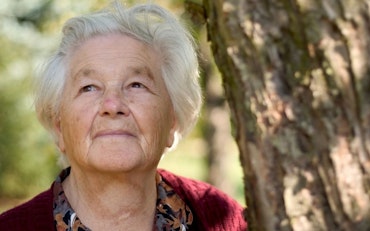
![<p>Dementia and palliative care peak bodies say more needs to be done to support older Australians in these key support areas [Source: Shutterstock]</p>](https://agedcareguide-assets.imgix.net/news/articles/4-March-Palliative.jpg?fm=pjpg&format=auto&w=550&q=65)
Dementia and palliative care peak bodies say more needs to be done to support older Australians in these key support areas [Source: Shutterstock]
Chief Executive Officer (CEO) of Dementia Australia, Maree McCabe says although the initiatives in the Budget are important, the announcements do not speak to the heart of the problem for people with dementia, their families and carers.
“With 447,000 Australians living with dementia, 1.5 million people involved in the care of someone living with dementia and the prevalence projected to increase to 1.1 million by 2058, the impact of dementia cannot be ignored,” she says.
“Dementia needs to be core business for everyone and there is still a lot more to do in health, disability and ageing.”
With the chronic health condition the second leading cause of death in the country and the leading cause of death in women, Ms McCabe says an action plan is needed.
“A comprehensive and coordinated action plan is required to specifically address the complex needs of people living with dementia and their families and carers, 70 percent of whom live in the community.”
“This figure particularly highlights the urgent need to respond to the growing waiting list for home care packages.”
Ms McCabe is urging all political parties in the 2019 Federal election campaign to pledge to include significant investment in dementia care.
CEO of Palliative Care Australia (PCA) Rohan Greenland highlights the need for improved palliative care access in Australia.
“Without a significant investment of funding and new models of care, under-served populations such as rural and remote Australians, Aboriginal and Torres Strait Islander people, culturally and linguistically diverse groups and people living with dementia or disability will continue to miss out on the benefits of palliative care.”
However, Mr Greenland says PCA is pleased with a number of Budget announcements including the Aged Care Workforce Strategy.
“The Budget also provides for a range of programs funded in the aged care sector that should include mechanisms to increase the provision of quality palliative care to the 60,000 Australians who die in aged care services each year.
“Particularly important is the aged care workforce strategy to ensure that aged care services have the right skill mix to be able to meet the palliative care needs of consumers, to reduce unnecessary transports to hospital and support staff to provide care to individuals and their families at the end of their lives.”
Mr Greenland says PCA is looking forward to working with the Government to make sure there is funding to improve access to palliative care.