
Make a difference this R U OK? Day
The suicide prevention charity R U OK? is urging all Australians to spend more time catching up with friends, chatting on the phone with family, or visiting elderly relatives with the aim of changing a life and possibly saving one.
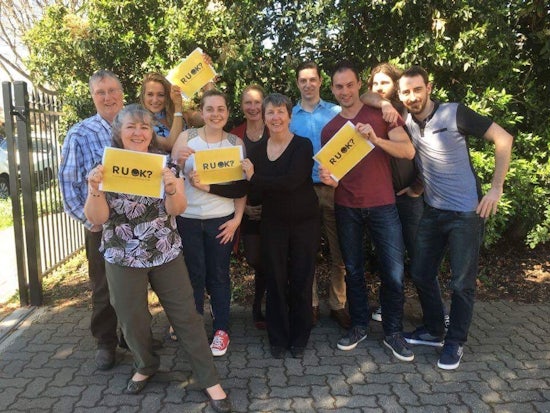
DPS Publishing staff are asking R U OK?
R U OK? Day, 8 September, is part of a wider campaign to encourage everyone to meaningfully connect with people around them and support anyone struggling with life.
The campaign started when the founder Gavin Larkin’s father took his own life and he was collaborating with Janina Nearn on a documentary to raise awareness of the impact of suicide and suicide prevention.
The team quickly realised the documentary alone wouldn’t be enough and to genuinely change behaviour Australia-wide, a national campaign was needed.
Mr Larkin remained a passionate champion of ‘a conversation could change a life’. He died in in 2011 of cancer and his legacy is: a little question can make a big difference to those people struggling with life.
A recent R U OK? survey has revealed Australians spend far more time looking at their TVs and digital devices (46 hours) than engaging with family and friends (6 hours), and around half of Australians spend two hours or less of their weekly downtime connecting with the people who matter to them.
R U OK? Campaign Director Rebecca Lewis says the latest research has highlighted that we’re more intimately acquainted with our devices than the highs and lows of our families’ and friends’ lives.
“It’s a big wakeup call that we’re spending almost eight times the amount of hours looking at our screens compared to the time we spend engaging with the people who matter to us,” Ms Lewis says.
“We all need to shift that balance and invest some of our screen time into our relationships and the people around us.”
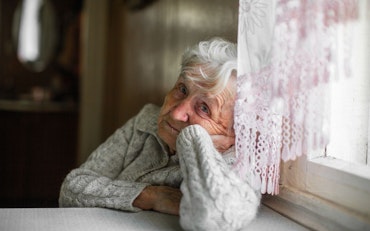
Research carried out in Victoria found social isolation and loneliness have significant detrimental impacts on both the mental and physical health of older people, including mortality rates.
The report, Ageing Is Everyone’s Business, found approximately 10 percent of Victorians over 60 experienced chronic loneliness at any one time. Causes are often linked to trigger events such as the death of a partner, living alone or a move to a new location.
R U OK? Board Director and Executive Director of the Black Dog Institute, Professor Helen Christensen, says finding time in our busy schedules for relationships is critical.
“Connecting with people we care about is so important for maintaining good mental health. We know that strong and caring connections with friends and family provide a vital safety net to help people cope with the challenging moments in life,” Ms Christensen says.
“Conversely, withdrawing from social engagement is often a sign of poor mental health and this is the time when loved ones need to stay connected, no matter how difficult it may be.”
Other findings from the RUOK? survey show while Australians want to spend more quality time connecting with family and friends, distance (38 percent); being too tired or lacking energy (28 percent); being busy with other activities (20 percent); catching up on housework (19 percent); or long work hours (18 percent) are the main obstacles preventing that outcome.
If you, or someone you know, is experiencing a personal crisis, call Lifeline on 13 11 14 or Suicide Call Back Service on 1300 659 467.