

I Care 4 Palliative Care campaign for specialist services
Through its ‘I Care for Palliative Care’ campaign, Cancer Council NSW is calling for additional funding from the New South Wales Government for more palliative care nurses, physicians and culturally appropriate specialist services for Aboriginal people.

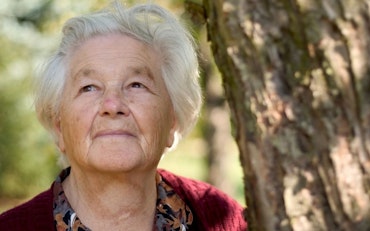
Cancer Council NSW is calling for funding for more specialist palliative care services (Source: Shutterstock)
Specialist palliative care allows people with advanced cancer to maintain their quality of life in a way that is meaningful to them. It is provided by a multidisciplinary team including specially qualified and experienced doctors and nurses, in a variety of settings including in a person’s home, which may be a residential care home. It caters for physical, practical, emotional and spiritual needs of patients, families and carers.
When it comes to the number of palliative care nurses per head of population, Cancer Council NSW highlights NSW falls behind every other state and territory; the organisation has identified NSW needs 129 more full time palliative care nurses to bring the state up to the standard of the rest of Australia.
To ensure Aboriginal people can access the care and support they need, Cancer Council NSW is also calling for culturally appropriate palliative care for Aboriginal people.
Kelly Williams, Policy and Advocacy Manager at Cancer Council NSW says palliative care means people can keep doing the things they love for as long as possible and that families can make the most of the time they have left.
“It is saddening to think that many people in NSW are unable to access specialist palliative care and support because there just aren’t enough staff to support them. We know that the current palliative care doctors and nurses do a wonderful job, but they are stretched to meet demands across the state,” she says.
“It is a reality that, despite the hard work and dedication of researchers, cancer continues to take too many lives, young and old. Palliative care services are an essential part of the care of the terminally ill, and of the families who support them, and we need more of them.”
The NSW Government has acknowledged, in its state action plan for palliative care, that there are gaps in specialist palliative care services in regional, rural and remote areas of NSW, and for Aboriginal people.
“The NSW Government must take action now to close the gap in current palliative care services, and prepare for the increased demand for these services, as more people across the state are affected by chronic illnesses,” continued Ms Williams.
Community members across NSW can support the I Care for Palliative Care campaign by signing the pledge for Minister Skinner to end the palliative care shortage on the Cancer Council NSW website.
The I care for palliative care campaign (#Care4PallCare) has already attracted over 4000 signatures and has garnered support from several MPs across NSW.