

How to make a safer home for an older person
Nowadays, the idea of getting “put into a home” isn’t really ideal for older people living in Australia. It’s understandable, given that drastic changes to someone’s living situation isn’t the most convenient option after a certain age.
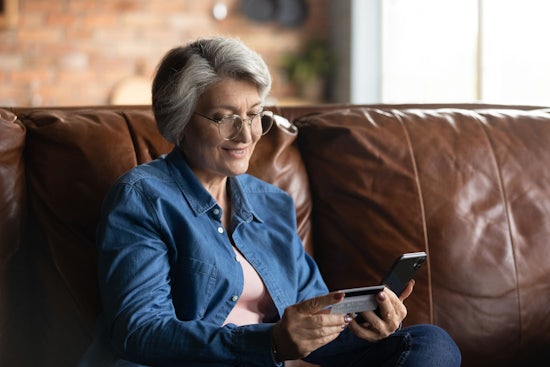
As ageing Aussies look to stay home longer, consider making some changes to let them live independently, yet safely. (Source: Shutterstock)
Key points:
- Think practically, not dramatically — security is worth securing through paying for changes to the house
- Living situations should change with life, rather than life changing living situations — let older people know that if they want to stay at home, changes need to be made
- Think about the T words — trips, traps and telling others
New research shows that some age-friendly changes can make it safer to kick back and keep safe whilst relaxing on that rocking-chair and taking in the familiar setting, with comfort and accessibility in mind.
Researchers studied 16 people from Adelaide aged between 52 and 76, on their living expectations for the future as well as of those around them. Their findings show that despite wanting to live independently for longer, older SA residents just don’t know how to go about it.
The one key factor during the research period was the emphasis on the need for pamphlets, brochures and guides which addressed how homes for older people could be tweaked and redesigned to suit their daily needs. So, how does one go about safety-proofing their very own home keeping in mind future needs?
Researchers — Roslyn Dalistan, Associate Professor Kate Laver and Professor Stacey George — find the key challenges older people face at home, pending the Government’s new 2025 taskforce for in-home care review.
Typically, you want to minimise effort and maximise access, both at home and in telling others that something has gone wrong. To do this, look at the fine details of their home and assess hazards, along with solutions.
Gardens
Gardens without an irrigation system, which are otherwise high maintenance, should be reduced to accommodate the abilities of an older person. Succulents can be a great way to offset pruning and watering needs.
Entrances
Consider ramps or fewer steps, which can help with a wheelchair or a walking frame — not just for getting into the house, but for shower cubicles and the bathroom, with steps and ledges serving as prime hip-breaking trip and slip starters.
Slippery when wet
There’s a reason why buses and trains across the country have prioritised non-slip material for priority seating, used by people with disabilities, people who are pregnant or people who are going through their golden years in age. Yet, it’s something we don’t think about enough at home. So, consider re-tiling that bathroom or kitchen, to prevent falls.
Access in crisis
Doors that swing inwards could prevent access and support during urgent emergencies, so try to make sure that things open-out rather than potentially shut-in.
Be chair-ful
Depending on the height of your older relative or friend, chairs throughout the house should be soft, firm, supportive and not too low, with armchairs always offering an added sense of support. Who doesn’t want to be comfortable?
The researchers have designed and tested a digital tool with 60 older people to assist with identifying and eliminating risks and are planning to make it freely available to the public in the near future.
Registered occupational therapist, Associate Professor Kate Laver, says older people prefer to stay at home for several reasons, including a sense of attachment to the home, the high costs of moving in today’s real estate market, and a desire to maintain existing social and community networks.
“Home is considered by older adults to be a place of comfort and safety where independence can be preserved. Strong community networks enable older adults to cope with age-related changes and prevent isolation. Being surrounded by important possessions or memories is also linked to their quality of life,” says Professor Laver.
“However, our ability to function independently within the home environment can become increasingly difficult. Most participants in our study accepted the ageing process and could recognise hazards and potential risks. However, others were determined to remain independent at home and resistant to making future changes until necessary.”
“They were all interested in obtaining more information about how to improve home safety or services to support ageing in place. This shows we need tools that enable older people and their families to properly self-assess their own homes. This tool will be available both in hard copy and as a digital tool and will be used to promote and support future planning.”
A lack of awareness can make all the difference and a few small changes can preserve that sense of empowerment that many find through staying at home. Further reading can be found through the Government funded research article — Considering the home environment and planning for the future: A qualitative exploration of the views of older adults and individuals with older relatives.