

Health officials are concerned about the spread of a deadly viral infection
Polio Australia has provided a history of viral disease and the importance of reviewing long-term health for those in aged care.
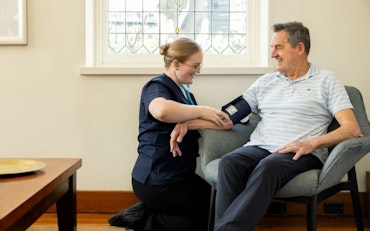
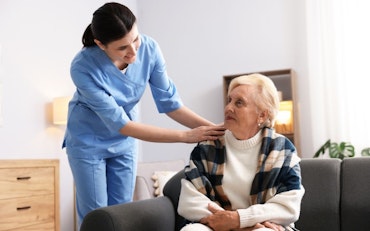
![<p>Viral infections have been a hot topic in media since the start of the COVID-19 pandemic, but the lasting legacy of polio remains a persistent issue for many with post-polio syndrome. [Source: FatCamera via iStock]</p>](https://agedcareguide-assets.imgix.net/news/articles/wp/deadlyviral__2003.jpg?fm=pjpg&format=auto&w=550&q=65)
Viral infections have been a hot topic in media since the start of the COVID-19 pandemic, but the lasting legacy of polio remains a persistent issue for many with post-polio syndrome. [Source: FatCamera via iStock]
Key points:
- A man in his 70s, who contracted Japanese encephalitis, has passed away in New South Wales — the second person to pass away in 2025 with the viral infection
- Government health officials expressed concern that those impacted by the Cyclone Alfred flooding may be put at greater risk of disease
- This article chronicles the ongoing impact of viral infection and diseases in Australia and is sponsored by Polio Australia
Viral infections and diseases remain a major public health issue and understanding their long-term effects is key to stopping future outbreaks. Recent developments, such as the detection of Japanese encephalitis virus, also known as JEV, in Brisbane, a measles outbreak in Victoria and new research into polio vaccines, highlight the need for ongoing vigilance. Although these conditions spread in different ways and affect people differently, they all show the importance of early detection, vaccination and public awareness in controlling their immediate and long-term impacts.
How to prevent Japanese encephalitis virus
The discovery of JEV in Brisbane is a strong reminder that environmental changes, like flooding, can increase the risk of infectious conditions. Mosquito bites spread JEV and recent floods have created ideal conditions for mosquitoes to multiply. Most people who get JEV will not feel sick, but in severe cases, it can lead to dangerous brain infections. Tracking the virus through mosquito monitoring and testing helps authorities take action to stop its spread.
To protect against JEV, people should use mosquito repellent, wear long clothing and eliminate stagnant water where mosquitoes breed. Vaccination is also available for high-risk groups, such as those who live or work near pig farms. With climate change expected to increase the spread of mosquito-borne diseases, continued monitoring and public awareness are essential.
The return of measles: a disease we can stop
Measles, once nearly eliminated in Australia, is making a troubling comeback due to international travel and lower vaccination rates. This highly contagious disease spreads easily through the air and can cause severe complications, including pneumonia and brain inflammation. Recent outbreaks in Victoria show why maintaining high vaccination rates is so important.
The Measles-Mumps-Rubella (MMR) vaccine is the best way to prevent measles, but some adults born between 1966 and 1992 may not have received both doses needed for full protection. Healthcare workers need to quickly identify and isolate cases while encouraging everyone to check their vaccination status. Measles is now reappearing in many parts of the world. Anyone travelling overseas should ensure they are fully vaccinated to avoid getting sick and bringing the virus back to Australia.
New polio vaccines: a step closer to ending the disease
Polio, once one of the world’s most feared diseases, is ever closer to being wiped out thanks to decades of vaccination efforts. However, to keep polio from coming back, scientists are working on new, safer vaccines. Recent research into virus-like particle (VLP) vaccines offers a promising alternative to current polio vaccines. These new vaccines do not contain the live virus, making them safer and easier to produce.
While wild polio is no longer in Australia, it still exists in several countries and international travel could reintroduce it if vaccination rates drop. To eliminate polio worldwide, countries must continue vaccinating children and ensure that affordable modern vaccines are available everywhere. With ongoing research and global cooperation, a future without polio can be achieved.
The long-term effects of polio infection: a hidden struggle
Although new polio cases are rare, many people who had the virus decades ago are now facing serious health problems. Polio survivors, especially those over 50, may experience the late effects of polio or post-polio syndrome (PPS) — conditions that cause muscle weakness, fatigue, joint pain and breathing difficulties. These symptoms often appear decades after the first infection and can make daily life much harder. Unfortunately, many healthcare providers and family members are unfamiliar with these conditions, leading to misdiagnoses or a lack of proper treatment.
Both the medical community and the public need to understand that viral damage can have lifelong effects. Recognising the long-term impact of viruses can improve healthcare support and rehabilitation services for those affected by post-viral conditions.
How Polio Australia is making a difference
The history of polio teaches us an important lesson: viral diseases can continue to affect people long after the initial infection is gone. While vaccines have almost eliminated polio, its long-term effects still impact thousands of Australians. Polio Australia works to support polio survivors, raises awareness about post-polio and other post-viral conditions and advocates for informed and equitable healthcare.
By learning from past epidemics and staying alert to current disease outbreaks, we can strengthen our approach to disease prevention and long-term care. Understanding the ongoing threats of diseases like measles and JEV, as well as the lasting impact of polio, helps us create a healthier future for everyone. Monitor your state’s health notifications regularly to keep you aware and play your part in reducing the impact of viruses.
If you’re interested in learning more about post-polio syndrome and making a difference in the lives of many aged care residents who may be unfamiliar with the condition, please visit Polio Australia to learn more.
Related content:
What do you need to know about private health insurance?