

Exploring the link between loneliness, social isolation and mental health in seniors
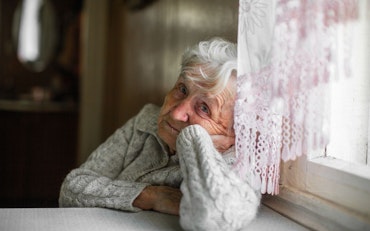
This week, 7 – 14 October, is Mental Health Week, and with it comes a much needed discussion about mental health in seniors. Loneliness and social isolation are a common experience among older people, and can act as one of many factors that play a role in affecting mental health levels among seniors.
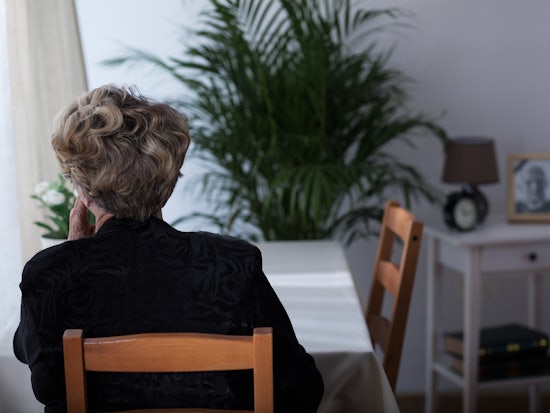
Loneliness is a feeling that arises in response to a lack of emotional connection with others, and can often occur as a result of social isolation.
Executive Manager of Envigor Home Care Tracey Silvester states that often social isolation can come about due to situational factors related to ageing.
“As people age they gradually lose their partners and friends due to death, and can isolate themselves through loss of these friendships.
“Along with our current social environment, with the traditional nuclear family in particular, older people are more socially isolated as children grow up and move out, leaving ageing parents home alone.”
As a result, she says seniors are generally more prone to loneliness and social isolation, which consequently can have adverse effects on an individual’s mental health.
“Multiple studies have found that there is a direct correlation between loneliness, and depression and anxiety,” Ms Silvester says.
“People who are depressed and anxious cannot look after themselves well, both physically and mentally. They are unable to eat enough nutrients or maintain regular hygiene standards.
“This causes them to be more reluctant to socialise and socially isolate themselves, which further increases levels of depression and anxiety. This has a physical effect on older people and leads to an overall reduced quality of life.”
Statistics from beyondblue show that approximately 10-15 percent of older people experience depression, and 10 percent experience anxiety.
National Ageing Institute Research (NARI) Associate Professor Briony Dow also identifies other elements related to old age that can impact on mental health.
“Physical disabilities and cognitive decline can play a role. Loss of ability is also another significant factor that acts as a risk factor,” Dr Dow says.
Reduction in ability – and as a result, loss of autonomy – can significantly impact on the mental well being of an older person. To lose a valuable skill can render the individual dependent on others.For example, losing the ability to drive can curtail your ability to engage in a range ofsocial activities and may mean an older person has to rely on others for basic necessities, such as groceries.
In order to support residents who are feeling lonely due to social isolation, Ms Silvester recommends we have an open conversation about this issue.
“When you age, it does mean you change how you interact with the world. Your lifestyle does change. We need to acknowledge it as a change but provide opportunities for older people to interact.”
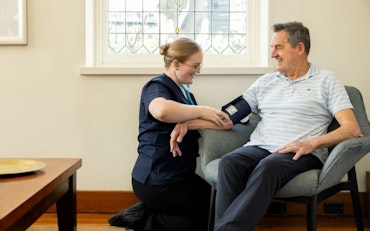
Carers, friends and family can look out for signs of deteriorating mental well being by regularly communicating with seniors and having an open discussion on topics such as this.
“For friends and family, I would suggest staying connected with the person. We can also help by providing more activities for older people in the community and encouraging them to participate.
“But it’s a thin line to walk – we want to facilitate access, not bully them into doing something they do not wish to do.”
Community programs are also offered to elderly residents. The Community Visitors Scheme is a Federal Government initiative that involves volunteers providing companionship and friendship on regular visits to elderly residents in both individual and aged care homes.
Individual traits such as resilience and high levels of self-esteem help in limiting the effects of mental illness. Other protective factors for seniors specifically include regular physical exercise and social interaction. These activities are advised by beyondblue who also offer services directly aimed at older people struggling with mental illnesses.
“Older people still have a lot to offer the community – they still have a richness to them,” Ms Silvester says. It is often other older people who provide support and companionship to those who are more socially isolated.
“Just as how people say that it takes a village to raise a child, it also takes a village to look after an older person.”
Mental Health Week is an opportunity to draw attention to and raise awareness of these issues. For more information on events happening in your state, click on the relevant link below.
For more information and services regarding mental health for seniors, visit beyondblue. If you feel you may be experiencing symptoms and need to talk, contact them on 1300 224 363.