

A step in the right direction
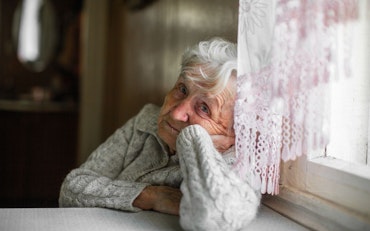
Grandparents in Japan suffering debilitating falls is the inspiration behind Dr Hanatsu Nagano’s PhD to develop special shoe insoles to prevent common stumbles and tumbles among the elderly.
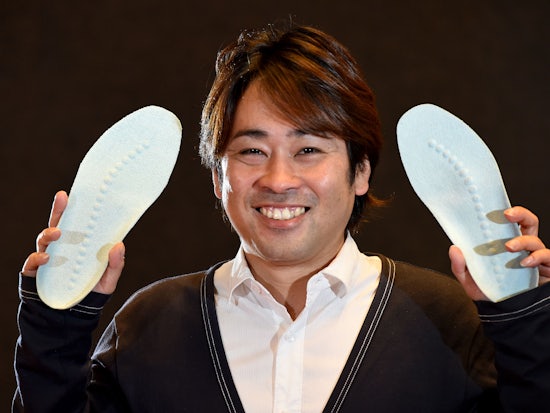
Dr Hanatsu-Nagano (Photo: Kyle Else)
One-in-three elderly people experience injurious falls worldwide each year, but the problem is particularly serious in Japan where one-quarter of the population, or 35 million people, are over 65.
It’s taken nearly a decade for the Victoria University researcher to develop the insoles.
“I wanted to make a social contribution to this very big problem by offering a product that is affordable, and can be easily made and used,” says Dr Nagano.
The insoles include a series of raised bumps that follow a foot’s ideal centre of pressure to help with side-to-side balance. They also have a shock-absorbing contoured heel, and a forefront that helps increase minimum toe clearance – the reason for many trips and falls.
Human trials with partner University of Tsukuba in Japan have proved the insoles dramatically reduce falls among the elderly, as well as with tripping-prone hospital patients with conditions such as dementia and osteoarthritis, or having had knee surgery.
Over a recent six-month trial, nearly 40 elderly people wearing the insoles did not fall at all. Furthermore, only one of 12 insole-wearing hospital patients experienced a fall over a four-month period compared to three falls for a control group of a similar size who were not wearing the soles.
Dr Nagano estimates his invention could save 36.5 billion Yen (or close to AUD$500 million) in direct medical costs in Japan for every one per cent decrease in incidents of trips and falls.
In Australia, there are around 3.5 million people currently aged 65 or older (around 15 per cent of Australians) and that proportion is forecast to rise to 25 per cent by 2050.
The insoles will sell in Australia in pharmacies and speciality shoe stores as part of an integrated shoe made partly from traditional Japanese textiles for roughly $170.
Dr Nagano says he expects to further refine them for other users, including joggers and walkers.