Virtual aquariums deliver delight to people with dementia
When you wish upon a star, see a fish in new VR, makes no difference who you are…
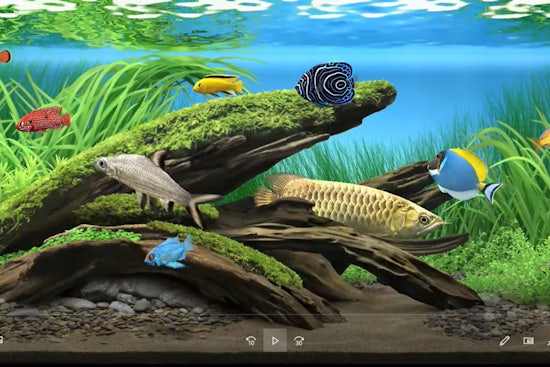
By observing the aquatic environment, patients can exercise their visual perception, concentration and memory recall. (Image source: Supplied)
Key facts:
- Technology is playing a key role in the diagnosis of and treatment for dementia and Alzheimer’s disease
- Astro Digital Pty Ltd has developed Virtual Aquariums to put those with the condition at ease
- Studies show that aquariums can reduce stress and lower blood pressure in older people
The benefits of an aquarium for older people and in particular, those with dementia and Alzheimer’s disease, are publicly available to review. However, aquariums aren’t quite as accessible. Maintenance, feeding, associated costs and ensuring the conditions are right for aquatic life have stopped some from being able to make a splash.
Now, Astro Digital Pty Ltd, a technology company specialising in healthcare, is delivering Virtual Aquariums to people affected by the condition through the power of virtual reality (VR). VR is commonly associated with video games, to offer an immersive experience to users who can see themselves in the setting, as if they themselves were a part of it.
However, Astro Digital has used the same premise to create a soothing and engaging environment that positively impacts a patient’s emotional well-being and cognitive functions.
Alzheimer’s disease and dementia present significant challenges to patients, their families, and caregivers alike. The loss of cognitive abilities and memory, coupled with sensory decline, can lead to feelings of disorientation, anxiety and isolation.
Astro Digital Virtual Aquariums seek to provide a unique solution by offering a captivating digital experience which emulates the calming effects of a real aquarium, without the physical restraints and maintenance. Instead of VR goggles, which are fitted to a person’s head and display a virtual world at a close and potentially uncomfortable range, standalone frames can be purchased to display a 3D virtual world of life underwater.
As a result of the brain training instilled in aquarium viewers, they are enhancing cognitive functions and in theory, slowing cognitive decline. Virtual Aquariums offer multi-sensory stimulation, recreating the sights, sounds and even tactile sensations of underwater life. This sensory input may awaken memories, improve sensory perception and create a more stimulating environment for patients, enhancing their overall sensory experience.
Dr Sarah Adams, a renowned neurologist specialising in Alzheimer’s and dementia care, says, “Virtual Aquariums represent a significant breakthrough in our approach to improving the lives of Alzheimer’s and dementia patients.”
“By harnessing the benefits of virtual reality technology, we can create a safe and accessible environment that promotes emotional well-being, cognitive stimulation, and sensory experiences. This innovation has the potential to make a profound impact on the quality of life for patients and their caregivers,” she adds.
The company hopes to further its development and integration of Virtual Aquariums into healthcare facilities, long-term care facilities, and home care settings through working closely with providers and researchers.
Brenda McKell, Occupational Therapy Assistant for Hall & Prior Aged Care says people are already loving the new Virtual Aquarium since it was introduced to the Rockingham Aged Care Facility.
“I would like to say a big ‘thank you’ to Virtual Aquarium for designing a product that helps our elderly relax and enjoy life just that little bit more. To the elderly, a little does mean a lot,” says Ms McKell.
“We have no hesitation in recommending this, no fuss, maintenance-free product into the Aged Care Market.”














Comments