


Seniors game to keep minds active
An increasing number of older Australians are using video games to keep their minds active, according to new research by Bond University.
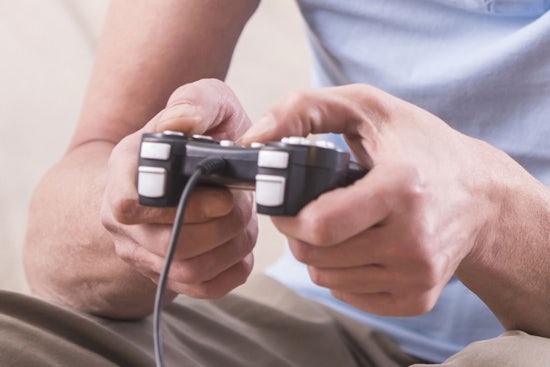
The majority of older Australians felt video games could increase mental stimulation.
As mobile phones and consoles create easier and more intuitive user interfaces and potential health benefits lure an ageing population, video games are continuing to attract older Australians, the study found.
The Digital Australia Report 2016, authored by Bond University Professor Dr Jeff Brand, studied 1,274 households and 3,398 individuals of all ages, revealing 68 percent of the Australian population plays video games, with the average age of gamers in Australia now 33 years old.
The report found 49 percent of those over 50 years of age and 39 percent over the age of 65 play video games, many of whom cited keeping their minds active as their main motivation for playing.
“Predictably, we found 91 percent of children aged five to 14 play video games but, interestingly, the proportion of older adults over the age of 65 who play is as great as young people between the age of one and four,” Dr Brand says.
“Women and girls play for 75 minutes a day on average, while men and boys play for 100 minutes on average.”
Dr Brand says while having fun and filling in time to alleviate boredom topped the uses and gratifications list for most players, those aged 50 years and over were motivated by health factors.
“The majority of older Australians felt video games could increase mental stimulation, at 76 percent of participants, with 61 percent feeling it might help fight dementia and 55 percent that it could help maintain social connections,” he says.
“Participants nominated improved thinking skills, followed by coordination and dexterity as other benefits.
“This suggests games are transforming as a medium and while they will continue to be played for entertainment, they will increasingly serve other purposes, especially among Australians over the age of 50 who now represent 33 percent of the population.”
The report found 24 percent of Australian adults have already used games at work for training purposes and over a third (35 percent) of parents said games were part of their children’s school curriculum.
“The use of games-based technology is increasingly finding its way into physical and mental health applications. I continue to marvel at the growth of video games and their potential to serve as a positive social, political and economic force,” says Dr Brand.
Ron Curry, CEO of Interactive Games & Entertainment Association (IGEA), says the report reinforced the breadth and depth of Australia's gaming community.
“We are witnessing significant changes in the realm of digital interactive entertainment where games have become an amazing medium to reinvigorate family life, education, workplace training, consumer engagement and social and political conversation,” he says.