Rise in flu cases causes aged care homes to close the doors
The recent Australian Influenza Surveillance Report released by the Australian Department of Health shows that not only has influenza activity on a national level continued to increase, but that notification rates this year to date have been highest in adults aged over 85.
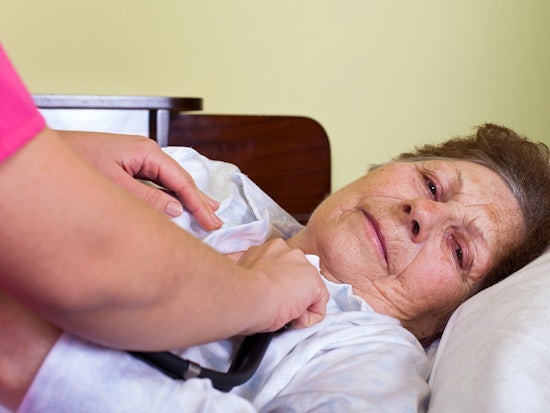
Increase in flu numbers force two NSW based nursing homes to close the door to visitors (Source: Shutterstock)
Following the release of the results and renewed calls by state health department – New South Wales (NSW) Health – two aged care facilities have made the decision to enforce restrictions on access.
Both facilities, located in Goulburn, chose to implement ‘infection control precautions’ due to the health risks associated with the warning.
The Salvation Army Aged Care Plus Acting Chief Executive Officer, Kate Callaghan, says that since July 28, their Gill Waminda facility has been experiencing a number of residents with respiratory symptoms of a ‘viral nature’.
“Aged Care Plus is committed to the wellbeing of all residents and the community, and as such, the Centre has restricted access to visitors,” she says.
“In alignment with Aged Care Plus’ policy, Gill Waminda Aged Care Plus Centre has implemented infection control precautions and reported this matter to the Public Health Unit (PHU) to ensure any potential outbreak is contained and residents are receiving optimal support and care.”
With more than 50 outbreaks in aged care homes recorded by NSW Health in the past week, family and friends of the elderly have been requested by doctors to stay away from visiting any aged care facilities if they are ill, with Director Communicable Diseases NSW Health Dr Vicky Sheppeard, saying that they are risking the life of a loved one if they visit with flu symptoms.
“Each year more than 800 people die in NSW from complications associated with influenza and the elderly are particularly vulnerable,” she says.
“We are seeing high levels of both influenza A and B strains circulating in the community and older people are more susceptible to severe infection from the influenza A strain that is circulating.”
Dr Sheppeard also says that there have been close to 140 influenza outbreaks in residential facilities this year and that many of these would have been started by unwell visitors.
NSW Health has confirmed 11,262 influenza cases were reported in July across the state, with a marked increase in presentations to emergency state-wide with over 8,000 people from all age groups presenting over the past week; 2,000 more than at the same time last year.
Queensland Health has also reported seeing a spike in flu recording more than 10,800 cases this year with 1,864 cases alone this past week (July 24-30).
With high numbers reporting to emergency for flu across the board, NSW Health’s Dr Sheppeard reminds all Australians that the hospital isn’t the place for flu care.
“During peak times we encourage people to seek advice from their GP’s and HealthDirect – a 24 hour helpline that provides immediate health advice on line from registered nurses,” she says.
Symptoms of flu include: fever and chills, cough, sore throat, runny or stuffy nose, muscle aches, joint pains, headaches and fatigue, nausea, vomiting and diarrhoea.
To minimise the risks of developing influenza, NSW Health suggest:
- -Washing your hands regularly
- -Covering coughs and sneezes and encouraging others to do so as well
- -Asking sick people to stay away until they are well
- -Getting vaccinated each year
- -And if you are vulnerable to severe influenza, see your doctor as soon as flu symptoms start as early treatment of flu can help prevent complication













Comments