

Older people at disproportionate risk of malnutrition
Research published last Friday by New Zealand’s Massey University shows worrying levels of malnutrition among New Zealand seniors, and Australian statistics are likely to be similar.

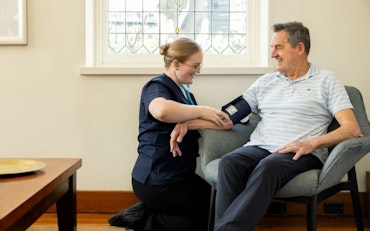
A new study highlights the need for greater awareness of malnutrition and mandatory screening for risks (Source: Shutterstock)
23 percent of the 167 participants in the New Zealand study were malnourished, and a further 35 percent were at high risk.
Associate Professor Carol Wham, who led the investigation, says older people are known to be at disproportionate risk of malnutrition and health conditions are often either caused by, or contributors to, improper nutrition.
She says elimination of particular foods or food groups from the diet, due to chewing and swallowing difficulties, aggravates the risk of malnutrition.
“Reduced food intake can contribute to dysphagia [difficulty swallowing], and can compromise the integrity of the swallow, which initiates a vicious cycle further decreasing food intake and further exacerbating poor swallowing function.”
Those recently admitted to residential care had a 24 percent higher prevalence of malnourishment than those living independently in the community.
In Australia, malnourishment levels are similar among elderly both in the community and in aged-care facilities.
A study published in the British Journal of Nutrition this year analysed nutrient content of meals in Australian aged care facilities, and found that 68 percent of participants were either malnourished or at risk of malnourishment- not eating enough dairy in particular.
“Maintaining good nutritional status is important for remaining independent, yet far too often key aspects of food provision for older people are disregarded or taken for granted,” says Dr. Wham.
Malnutrition is associated with a number of health issues, including osteoporosis, arthritis, and even increased risk of mental health issues such as depression.
Dr. Wham says that her study highlights the need for greater awareness of the issue and mandatory screening for malnutrition risk in all settings.
“This issue should not be considered a ‘normal’ part of ageing. It needs to be higher up the political agenda,” she says.
But there are some steps that older people living independently can take to decrease their risk of malnutrition.
Nutrition Australia recommends that all people over 65 follow these suggestions in order to stay healthy:
- Limit intake of high salt foods, including cured meats, snack foods, and sauces such as soy sauce.
- Aim to drink at least six times a day, and more in warmer weather or if you’re exercising. Water is best, but tea, coffee and other drinks can count towards fluid intake.
- Avoid or limit intake of foods containing saturated or trans fats. This includes deserts, pastries chips and chocolate.
- Consume no more than two standard drinks of alcohol a day, or four on an ‘occasion’ such as a party.
- Consider taking vitamin and mineral supplements, but be aware that they cannot compensate for a poor diet.
- Eat as many foods from the core food groups as possible.