
Frailty detection – ‘a game changer’ for older Australians
A new report into frailty has not only highlighted the extent of the ‘invisible condition’ among older Australians, and the effect it has on the quality of their lives, it has also resulted in the discovery of a successful solution.

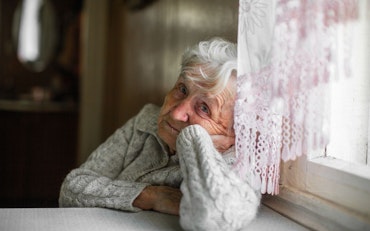
A new online test for frailty could see older Australians live longer healthier lives (Source: Shutterstock)
Frailty in Community Dwelling Older People – Using Frailty Screening as the Canary in the Coal Mine, by aged care provider Benetas and the Australian Government, is the result of a two and a half year joint study and has identified a screening tool as one of the ‘simple’ interventions that are a “game changer” in helping senior Australians enjoy a healthier and longer life.
Working with a nationally representative sample of 3,000 community dwelling Australians aged 65 and over, Benetas Chief Investigator and Lead of the Frailty Project, Stephen Burgess, says the study was the “first of its kind” in Australia, and says it stresses the importance of frailty screening among older residents.
He adds that identifying this frailty was the “key” to helping older Australians live longer, healthier lives and that screening, when teamed with appropriate interventions, may also reduce costs and lessen demand on the country’s “over-burdened” acute health and aged care system.
“For older people, frailty is the ‘canary in the coal mine’ that can detect a rapid decline before it happens,” he says.
“Frailty, including pre-frailty, is an invisible condition. Many who are frail appear to function reasonably well in the community, [and] as a result individuals and family members are often unaware frailty is present.
“By detecting and addressing frailty, we can change its trajectory, and help older people live better for longer.
“That means keeping people in their homes and out of hospitals and residential aged care for as long as possible.”
The research found that among community dwelling older people aged 65 and over, that while the frailty prevalence was at six percent, 38 percent fell into the pre-frail category, with incidence of frailty more highly noted among women.
Mr Burgess says the 38 percent figure for those in the pre-frail category identifies a “large number” of people who will become “very vulnerable” to adverse health outcomes if their pre-frailty is not detected and managed with the right interventions.
He adds that the interventions identified to remediate frailty are safe, simple and inexpensive.
“We’re asking older Australians in frail or pre-frail stages to increase their intake of protein and vitamin, if their doctor finds they are deficient in vitamin D,” he explains.
“Exercise is also key, ideally some light resistance exercise at home or, at a minimum, daily walking.”
Minister for Aged Care Ken Wyatt commended the new screening initiative, encouraging all older Australians to take the “simple” online test.
“Frailty detection is a game-changer in helping senior Australians enjoy a healthier and more active future,” Minister Wyatt says.
“By taking the simple FRAIL five-point online test and following up with your GP as necessary, people have the opportunity to detect frailty before it hits, allowing them to take action to live better lives, remain in their own homes for longer and avoid potential hospitalisation.
“We all know Australians overwhelmingly want to remain in their own homes for as long as possible and that staying strong and healthy is the best way to achieve this.”
Minister Wyatt applauds early intervention strategies, like the FRAIL test, saying they are “critical” and can also contribute to a more sustainable and efficient aged care system.
“Using the FRAIL Questionnaire Screening Tool, health care professionals, service providers, individuals, and their carers cam easily and accurately identify older people who are frail, and provide the support needed to help our senior Australians maintain their functional independence for as long as possible,” he explains.
“With an ageing population, it’s increasingly important for Australians to have access to appropriate support services and health promotion strategies to enable a positive ageing experience.”
The FRAIL test is available online, with a printable personal summary available at the end of the completed questionnaire for presentation to health professionals.
The full Frailty in Community Dwelling Older People – Using Frailty Screening as the Canary in the Coal Mine study is also available online.