

Cheaper medications soon to be available for older Australians
The Government intends to drop the price of medications on the Pharmaceutical Benefits Scheme (PBS) from a maximum of $42.50 to just $30.
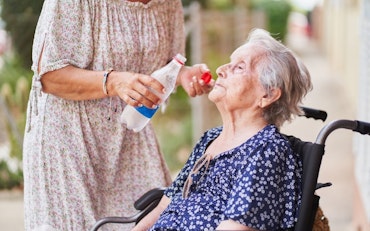
![<p>The cost of medicines could soon come down, assisting older Australians with the cost of living. [Source: iStock]</p>](https://agedcareguide-assets.imgix.net/news/articles/news/articles/15_7_2022-medicine.jpg?fm=pjpg&format=auto&w=550&q=65)
The cost of medicines could soon come down, assisting older Australians with the cost of living. [Source: iStock]
It will be the first drop in the cost of PBS medications ever and is contained in a Bill introduced to Parliament last week.
If the Government’s Bill passes Parliament the cost of the medications will fall on 1 January, 2023.
So why has the Government decided to lower the costs of PBS medications and how will it help you?
Lowering costs
One of the Labor Party’s Federal Election commitments was to lower the cost of living for Australians, including a focus on necessary costs such as medicine, electricity and healthcare.
This Bill, if it passes Parliament, will address one of those Election commitments in reducing the cost of medications.
Prime Minister Anthony Albanese says, “I’m really pleased that we’re introducing this legislation to make many medicines cheaper for Australians.
“My Government is serious about delivering on our Election commitments and easing the cost of living pressures left by the former Government.”
The cost of PBS medicines has doubled since the year 2000.
Health Minister Mark Butler says statistics show almost one million Australians didn’t fill their scripts for medication in 2019/20, due to the high cost of the medications.
“We must do better than this and we will,” says Minister Butler.
“Cutting their price by nearly one-third will mean more people can afford to get the medications they need to stay healthy – without worrying so much about the price.”
Health and pharmacy industry peak bodies have welcomed the commitment to lower the cost of medicines as they say many Australians are not able to afford medications they need to look after their health.
National President of the Pharmacy Guild of Australia, Professor Trent Twomey, says making the medicines more affordable will encourage people to take the amount of medicine that is prescribed, rather than reducing it themselves, and to fill all their scripts.
“As primary healthcare workers, community pharmacists have increasingly been hearing patients say they simply cannot afford their medicines, often faced with deciding who in the family will go without in order to put food on the table or pay their bills,” he says.
Older Australians in particular are feeling pressure at the moment due to the rise in inflation and everyday living costs going through the roof.
Professor Twomey explains that having people take the medications as prescribed is important because it can reduce the cost on the healthcare system.
“Making medicines cheaper will help reduce medicine non-adherence which directly contributes to higher healthcare costs, including preventable hospital admissions and readmission,” he says.
How much will you save?
PBS medicines are subsidised by the Government for all Australians that hold a current Medicare card.
This will benefit older Australians, who have a higher likelihood of using multiple medications as they age.
Cutting the maximum cost of PBS medicines from $42.50 to $30 is a 30 percent saving, which will work out to a saving of about $150 a year for a person using one medicine who needs to fill their script once a month.
For those purchasing more than one medicine, the savings go up to $300 for two medications and $450 for three medications filled each month.
Across the country, Minister Butler says reducing the maximum cost of PBS medicines to $30 will save Australians around $200 million a year.
The cost of medications for people with a Pensioner Concession Card, Commonwealth Seniors Health Card, Health Care Card or DVA White, Gold, or Orange Card will not change due to the Bill being passed.
The concession cost of medications is currently $6.80 and may be changed on 1 January in line with the Consumer Price Index.