Barriers for older Victorians accessing healthcare
New research has shown there are significant barriers for older people accessing health care services in Victoria.
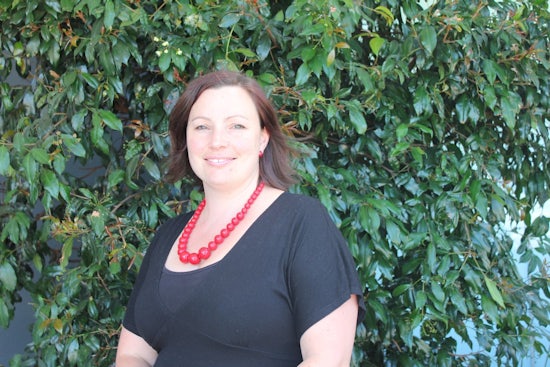
SALLY project leader, Amee Morgans, says there are significant barriers for older people accessing health care services in Victoria.
Findings from phase one of a research project, aimed at creating better links between health and aged care providers in Victoria, have indicated more needs to be done to address these systemic barriers.
The Sub Acute Linkages in Later Years project, known as SALLY, is a joint initiative between Victorian not for profit aged care provider, Benetas, and Bayside Medicare Local.
Launched late last year, the project aims to pilot a better approach to supporting older people and their families and carers to move between their homes, hospital, rehabilitation and aged care facilities as their health needs change.
Phase one of the project, which involved extensive consultation with older Victorians and health care providers, revealed limitations with access to services, the development of ongoing relationships with health professionals, service coordination and sharing patient information.
Dr Amee Morgans, SALLY project leader and Benetas manager of innovation, policy and research, says the initial findings are imperative to better understanding how to improve health outcomes for older people.
“Now that we have identified some of the main barriers to accessing appropriate and consistent care, we can look at what can be done to address these road blocks,” Dr Morgans says.
“We’ve taken the research and prioritised six key projects which will be implemented and evaluated over the coming months.”
The key project areas will examine:
- Access to primary medical health care – focusing on the importance of strong relationships between GPs and older people living in both community and residential aged care facilities and how existing relationships could be enhanced to improve access
- Available transport options – recognising the positive and negative impacts that mobility and access to transport has on older people living in the community and residential aged care facilities, and will focus on raising local awareness and improving access to transport which is appropriate for older people
- Local service coordination and communication – this project will establish a local health and aged care services advisory group comprised of consumer, health professional and provider representatives, and will focus on strengthening communication and service integration pathways between health and aged care providers in the local geographical area
- The transition care program – recognising that strong and locally connected transition care programs are valuable care options for older people who may be recovering from acute illness or injury, and will focus on how local programs could be enhanced to improve access
- Information communication and management – focusing on improving information accuracy, collection methods and communication pathways currently utilised by care providers at local level; this will mean improved quality and efficiency of information exchange between all care providers
- Workforce optimisation – recognising the importance of building and maintaining the skills and knowledge of our aged care workforce and enabling ongoing professional development opportunities in areas of need such as palliative care, this will mean improved capacity of staff to care for older people in the setting in which they choose to live, and not to be transferred unnecessarily elsewhere
Smaller project groups will work together over the next nine months to implement strategies to respond to these barriers.














Comments