Walking towards reassurance
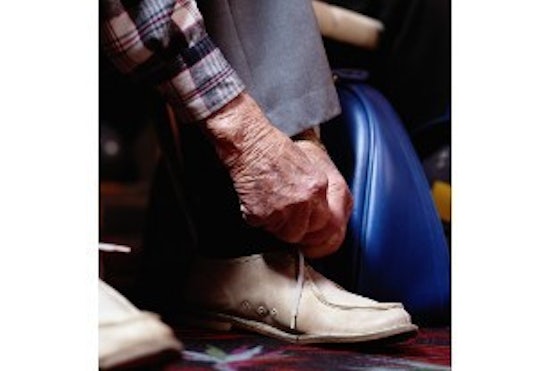
Walking a day in somebody else’s shoes may be difficult at times – but this is set to change with the release of new GPS shoes for Alzheimer’s disease patients to be released in the US market this month. Selling for about $300 a pair, buyers will be able to set up a monitoring service to locate “wandering” seniors who suffer from Alzheimer’s.
Source: Thinkstock
Walking a day in somebody else’s shoes may be difficult at times – but this is set to change with the release of new GPS shoes for Alzheimer’s disease patients to be released in the US market this month.
Selling for about $300 a pair, buyers will be able to set up a monitoring service to locate “wandering” seniors who suffer from Alzheimer’s.
Andrew Carle, who is a professor at George Mason University and adviser on the project, says the shoes are likely to “save lives and avoid embarrassing and costly incidents with the elderly”.
Particularly important for people in the earliest stages of Alzheimer’s, Professor Carle says studies indicate more than five million Americans suffer from the degenerative cognitive disease, with 60% of sufferers wandering and becoming lost.
The GPS system, which is implanted in the heel of what appears to be a normal walking shoe, allows family members or carers to monitor the wearer and to set up a ‘geofence’ that would trigger an alert if the person strays beyond a certain area.
According to Professor Carle, while devices such as bracelets or pendants can provide similar protection, seniors tend to reject these; suggesting “paranoia is a manifestation of the disease”.
“If you put something on someone with Alzheimer’s disease which they don’t recognise, they remove it… [and] if it is a wristwatch and it is not their wristwatch, they will take it off. So you have to hide it,” he says.
Manufacturer of the shoes, GTX Corp, says the market for Alzheimer’s tracking shoes is growing.
“The under $300 GPS enabled shoes will ease the enormous physical and emotional burden borne by Alzheimer’s victims, caregivers and their geographically distant family members,” Patrick Bertagna, chief executive of GTX Corp, says.











![The new Aged Care Act exposure draft is slated for release in December of 2023, but advocates hope to see it rolled out on January 1, 2024. [Source: Shutterstock]](https://agedcareguide-assets.imgix.net/news/articles/wp/agedcareact__0811.jpg?fm=pjpg&w=520&format=auto&q=65)












Comments