Sleep apnea flagged as potential trigger for Alzheimer’s
A clinical study of patients with sleep apnea has been initiated by researchers at the University of Queensland’s Queensland Brain Institute and School of Biomedical Sciences after research revealed there may be a link between inadequate oxygen levels during sleep and damage caused to the brain which increases the risk of developing Alzheimer’s disease.
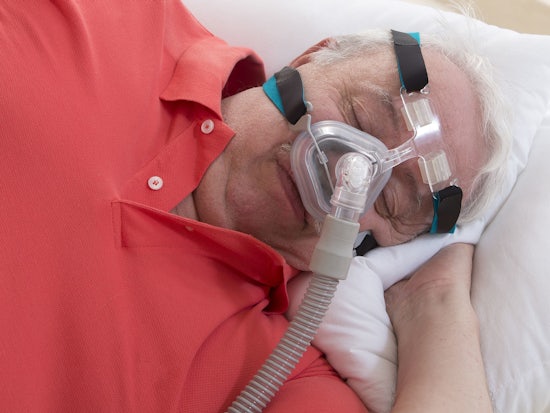
A new study is looking into the correlation between sleep apnea and Alzheimer’s disease (Source: Shutterstock)
The study will focus on patients aged 55-75 to determine is the common treatment of sleep apnea, that continuous positive airway pressure (CPAP) ventilator can stop or slow brain degeneration associated with inadequate oxygen intake during sleep, and reduce the subsequent associated risk of dementia.
Professor Elizabeth Coulsons says those who suffer from sleep apnea that resulted in hypoxia, lower levels of oxygen in the blood, are up to three times more likely to develop Alzheimer’s.
Adding that the researchers involved in the study have been investigating the mechanisms by which this occurs, finding that hypoxia leads to the degeneration of an area of the brain important for attention and learning.
Fellow researcher, Queensland Brain Institute Director Professor Pankaj Sah, says the research could lead to early intervention in patients with sleep apnoea.
“Sleep disturbances can occur up to ten years prior to Alzheimer’s disease,” Professor Sah explains.
“Considering that Alzheimer’s affects roughly one-third of the elderly population, this important research may inform preventative public health measures in the future.”
Chief Medical Advisor Dementia Australia, Associate Professor Michael Woodward, has welcomed the study and its potential to reduce the risk of certain groups developing Alzheimer’s in the future.
“There is some very important research being done and interventions are being looked at,” he explains.
“Anything that reduces the risk is very exciting especially when we know that there are 425,000 Australians currently living with Alzheimer’s, with the numbers expected to rise to around one million by 2050.
“This is a huge proportion of our community and anything we can do to reduce the numbers and the risks is great.”
While sharing his delight, Associate Professor Woodward also shared his concern that there is the potential for some sleep apnea clinics to overdiagnose, and urged people to be careful about finding out if they do in fact have obstructive sleep apnoea.
The initial research has been funded by the NHMRC, with the current clinical trial being partially funded by the Mason Foundation.
Professor Coulson says the next stage of research involves following patients with sleep apnea over an extended period of time to determine whether CPAP protects against cognitive decline.










![The new Aged Care Act exposure draft is slated for release in December of 2023, but advocates hope to see it rolled out on January 1, 2024. [Source: Shutterstock]](https://agedcareguide-assets.imgix.net/news/articles/wp/agedcareact__0811.jpg?fm=pjpg&w=520&format=auto&q=65)












Comments