Seniors find ‘fitspo’ in fitness trackers
Fitness trackers could be the latest and greatest ‘fitspo’ for Australia’s older generations if research by Western Australia’s Curtin University is anything to go by.
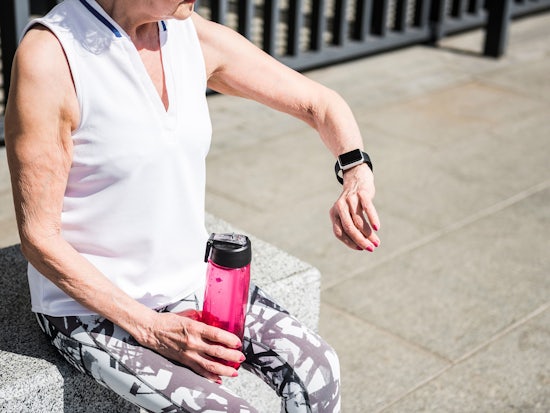
Fitbit Flex and ChargeHR fitness trackers could help promote physical activity and reduce the risk of health issues in older Australians (Source: Shutterstock)
The research conducted by Curtin University, University of Melbourne and the University of Arkansas and published in the Journal of BMC Geriatrics, examined the reliability and accuracy of two popular fitness trackers and found that when worn by older Australians, the devices could help promote physical activity and reduce the risk of health issues.
Lead researcher Dr Elissa Burton from the School of Physiotherapy and Exercise Science at Curtin University says the research offers new information about the effectiveness of fitness tracking devices and how they can be used by the older population to promote physical activity.
As part of the research, Dr Burton and the team from Curtin monitored a group of 31 participants, of an average age of 74, in a laboratory setting using a two-minute walking test, and then over a 14-day-period in their home environment through Fitbit Flex and ChargeHR fitness trackers.
“This study was unique as it allowed us to monitor participants in the comfort of their own home, which was critical to the study as many older adults are likely to revert back to usual habits and reduce their activity levels when they are in a comfortable environment,” Dr Burton says.
“The research not only shows that the fitness tracking devices are an ideal choice for older generations looking to monitor their day-to-day activity, but could also potentially contribute to reducing the risk of common health issues through improved cardiovascular fitness.”
“Fitness trackers have always been popular with younger generation and we were interested to see if these devices were accurate when used by older people because they often move and walk differently to younger people.
“Currently two-thirds of older Australians are not physically active and this lack of activity can potentially lead to health issues such as high blood pressure, increased risk of heart attacks, some types of cancer, type 2 diabetes and increased falls.
“The data from the study shows that both fitness devices displayed excellent reliability and good accuracy for the total distance covered and steps monitored by the participants, making them an ideal choice for older Australians looking to monitor their physical activity on a daily basis.”
Dr Burton further explains that while more research needs to be done on the topic, this was one of the first known research studies to utilise and older population in both a laboratory and free-living environment using the two devices.
The research paper, Reliability and validity of two fitness tracker devices in the laboratory and home environment for older community-dwelling people, can be found online.











![The new Aged Care Act exposure draft is slated for release in December of 2023, but advocates hope to see it rolled out on January 1, 2024. [Source: Shutterstock]](https://agedcareguide-assets.imgix.net/news/articles/wp/agedcareact__0811.jpg?fm=pjpg&w=520&format=auto&q=65)









Comments