Review into influenza outbreaks in aged care reveals more needs to be done
Poor facility management and low staff vaccination rates played a key role in a number of influenza deaths at aged care homes this winter, a new Government review has revealed.

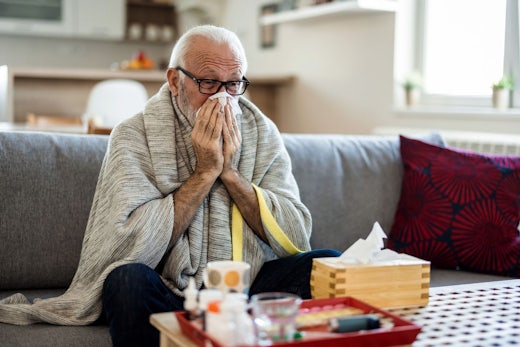
Aged care facilities in Victoria and Tasmania have been reviewed following influenza outbreaks over winter (Source: Shutterstock)
The review of the St Johns facilities in Wangaratta, Victoria and the Strathdevon facility in Latrobe, Tasmania, were at the heart of the review ordered by Federal Minister for Aged Care Ken Wyatt and conducted by the Australian Aged Care Quality Agency.
Minister Wyatt says the detailed reviews, released late yesterday (13 November), revealed management errors, especially in infection control at all sites.
“The flu season affected aged care residents and staff and the homes’ infection control and contingency plans were overwhelmed but it was unacceptable,” he says.
“Staff vaccination rates in both homes were low, with only around one-third vaccinated ahead of the outbreaks, and dozens of staff were subsequently struck down with the flu.”
The reviews also found that at both sites, the homes’ management did not provide enough additional support and the professional guidance that was required to cope with the outbreak, an issue that Minister Wyatt says has led to the Quality Agency greatly increasing its focus on the issue of infection control at all aged care facilities.
“The Agency is reviewing infection control practices, including a mandatory survey of all facilities’ outbreak management and staff vaccination rates, which is due for completion next week,” he says.
“Results will be collated, then the Agency will focus on and engage with all homes which have registered low vaccination rates or difficulties managing the 2017 flu season.”
As part of a drive to combat the issues highlighted by the reviews, the Quality Agency is also running staff seminars in every aged care jurisdiction at present, to strengthen quality monitoring around infection control and increase staff and resident vaccinations.
All aged care providers have also been asked to review their infection control practices, to ensure that they are well equipped to manage and respond to an outbreak.
“Providing safe, quality aged care for our senior Australians is non-negotiable” Minister Wyatt says.
“I am closely monitoring developments, and ensuring all Government funded aged care facilities are prepared for infectious outbreaks, especially influenza, is a top priority.”
In total this year’s flu season affected more than 217,000 Australians with 504 deaths recorded to be linked to the flu.
Following the impacts of the flu season and the ineffectiveness of this years flu vaccine which was reported to be the ‘best at the time’, National Seniors Chief Advocate Ian Henschke says protecting the vulnerable, like the elderly, is key and that action is needed to prevent a repeat of the flu crisis next year.
“We need to protect everyone who is vulnerable and ensure that preventative measures are put in place well ahead of next years flu season,” Mr Henschke says.
“We just don’t want to see older Australians or, indeed anyone, dying from a preventable illness like the flu.”
In response to the recent reviews, the Federal Minister for Health, Greg Hunt, has moved to make it mandatory for aged care facilities to implement flu vaccination programs for staff, with Chief Medical Officer Dr Brendan Murphy currently examining all options to increase vaccination rates.
Targeted aged care communication and education materials will be developed for the 2018 influenza season to further promote staff influenza vaccination.











![The new Aged Care Act exposure draft is slated for release in December of 2023, but advocates hope to see it rolled out on January 1, 2024. [Source: Shutterstock]](https://agedcareguide-assets.imgix.net/news/articles/wp/agedcareact__0811.jpg?fm=pjpg&w=520&format=auto&q=65)










Comments