Medicare-funded doctor home visits threatened
After-hours visits by doctors to households and aged care homes are under threat however, cutting the service is predicted to cost the health system $724 million over four years a report has revealed.

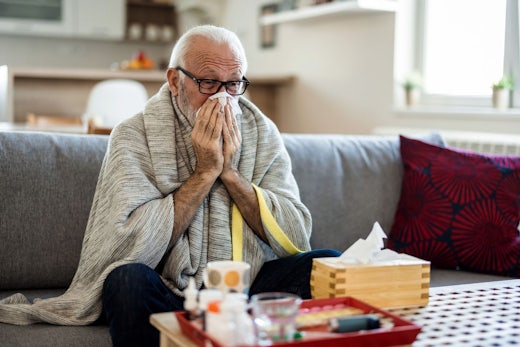
Cutting after-hours visits by doctors to households and aged care homes could end up costing the health system more (Source: Shutterstock)
These increased costs will mainly be due to more emergency department and ambulance presentations, which cost far more than a GP after-hours visit.
The Deloitte Access Economics report found home and aged care facility visits cost $128 on average, but if a person goes to an emergency department, it costs over double at $368. This skyrockets to $1,351 if the person arrives by ambulance.
The National Association of Medical Deputising Services commissioned the report in response to calls by vested interests for the home-visit Medicare rebate to be cut in the federal government’s current Medicare Benefits Schedule Review.
Representing home doctors, the Association’s President Dr Spiro Doukakis says home doctor visits provide an efficient alternative to emergency departments outside GP business hours.
“Access to after-hours primary care has improved in recent years, particularly since John Howard’s Round the Clock initiative over a decade ago, saving lives and taxpayers’ money by relieving pressure on emergency departments and ambulance services,” says Dr Doukakis.
“This report shows that without this service, emergency departments would be inundated with new patients at heavy extra cost. Of course, this is precisely why the Howard Government reinvested in doctor home visits in the first place.”
However Dr Doukakis says since 2005, less acute presentations to emergency departments have reduced from 54 percent to 47 percent of all presentations.
Deloitte Access Economics’ Lynne Pezzullo points out where access to primary care is not available, ambulance and emergency departments are often utilised which are not designed for primary care patients.
“A study of 50,000 patients who utilised home and ACF [aged care facility] visits showed 94 percent would seek care using an alternative pathway if the service did not exist. Based on the preference information, the cost to the health system would be $181 million higher compared with after-hours home and ACF visits,” she says. “Over four years, this would be in the order of $724 million assuming no change in policy or volumes.”
Clare Thompson, a New South Wales social worker who has a two-year-old son and has relied on after hours home visits in the past, says doctor home visits were essential.
“Kids fall sick at all hours of the day and night, not just in business hours, and it’s important that families can get medical help they need when they need it most,” she says. “Home-doctor visits make sense because they give families an alternative to emergency departments and provide peace of mind.”










![The new Aged Care Act exposure draft is slated for release in December of 2023, but advocates hope to see it rolled out on January 1, 2024. [Source: Shutterstock]](https://agedcareguide-assets.imgix.net/news/articles/wp/agedcareact__0811.jpg?fm=pjpg&w=520&format=auto&q=65)










Comments