Hit me with your best shot
Aiming to reduce Australian flu rates this winter, the Immunisation Coalition has launched its #HitMeWithYourBestShot campaign.

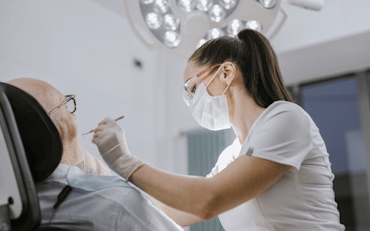
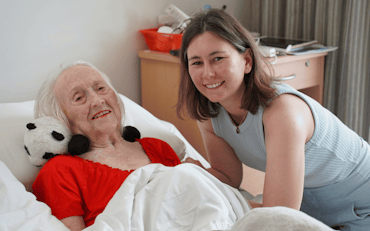
The Immunisation Coalition’s campaign urges Australians to get a flu shot (Source: Shutterstock)
Government statistics estimate more than 3,000 deaths among Australians aged over 50 years are caused by influenza and influenza related complications. In 2016, 90,861 Australians suffered from laboratory confirmed influenza, with many more cases going undiagnosed.
The Immunisation Coalition believes these figures only represent the tip of the iceberg, highlighting 10 percent of influenza patients who had to go to hospital were admitted directly into the ICU and 74 per cent of hospitalised sufferers belonged to the group most at risk of complications from influenza.
Professor Paul Van Buynder, Chairman, Australian Immunisation Coalition and Professor. School of Medicine Griffith University says we know that influenza is most severe in the very young and the elderly.
“Over 90 percent of deaths occur in the elderly and 2/3 of all hospitalisations,” he says. “Even more importantly, many elderly people who are hospitalised with influenza never fully recover.”
He warns they lose capacity for activities of daily living, become frailer and lose their independence.
“People coping at home need to move to assisted living, and those mobile in a care setting lose their mobility,” says Prof Van Buynder. “Influenza vaccine not only stops hospitalisation and deaths in the elderly it lets you maintain your quality of life.”
He also points out people having regular contact with older people through work or volunteer activities also need to ensure they are vaccinated.
“As we age our immune system also ages. This concept called immune senescence explains why older people have more severe disease,” he says. “It is important that we don’t expose them to influenza. Staff have an ethical and professional responsibility to be vaccinated themselves and to protect the residents who are unable to be protected. This is a crucial quality of care issue.”
Free influenza vaccine is available under the National Immunisation Program (NIP) for people in the following risk groups:
- Older Australians (65+)
- Indigenous Australians (6months to <5 years and 15+)
- Pregnant women
- People aged 6months + with medical conditions that can lead to complications from influenza
- Severe Asthma
- Lung or Heart disease
- Chronic neurological disease
- Renal and metabolic disease
- Impaired immunity
All Australians are invited to actively join the campaign by uploading their image on Facebook, Instagram or Twitter using the hash tag #HitMeWithYourBestShot, bringing awareness to the benefits of being protected and challenging their friends and family to do the same.
Speak to your GP or for more information, visit the Immunisation Coalition website