Healthy glucose levels, healthy brain
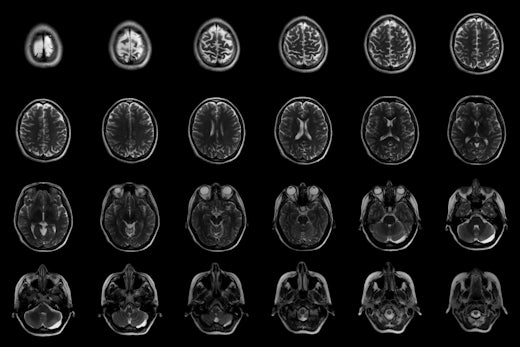
A recent study conducted by the Australian National University in Canberra has found that blood glucose levels can affect brain degeneration in ageing individuals.

Studies show that healthy blood glucose levels directly correlate to healthy brain ageing. (Source: Shutterstock)
Despite the link between blood sugar levels and type 2 diabetes, researcher Dr Erin Walsh from the Centre for Research on Ageing, Health and Wellbeing states that the impacts of blood glucose on the brain is not necessarily limited to people with type 2 diabetes only.
More often than not, people with diabetes can have lower blood glucose levels than people without diabetes due to successful glycaemic management alongside regular medication, diet and exercise.
“People without diabetes can still have high enough blood glucose levels to have a negative health impact,” says Dr Walsh.
“The research suggests that maintaining healthy blood glucose levels can help promote healthy brain ageing.
“If you don’t have diabetes it’s not too early and if you do have diabetes it’s not too late.”
It is recommended that people consider adopting healthy lifestyle habits. This includes a healthy diet limiting the consumption of minimal processed and sugary foods, along with regular exercise.
“Having a healthy lifestyle contributes to good glycaemic control without needing a diabetes diagnosis to spur them into adopting these good habits,” Dr Walsh says.










![The new Aged Care Act exposure draft is slated for release in December of 2023, but advocates hope to see it rolled out on January 1, 2024. [Source: Shutterstock]](https://agedcareguide-assets.imgix.net/news/articles/wp/agedcareact__0811.jpg?fm=pjpg&w=520&format=auto&q=65)












Comments