Dementia research takes a right turn
The national and international efforts surrounding dementia research have taken a step up, following successful new stages in an American study and the announcement of a new Australian research grant.

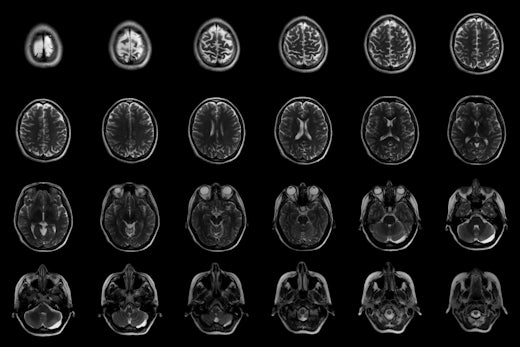
The importance of dementia research has once again been highlighted (Source: Shutterstock)
Both announcements continue to highlight the important role research has in combating the growing problem that is dementia, with the new study, which has moved away from using mouse cells to human brain cells, opening up the possibility to reduce how many people genetically develop the condition, and the grant encouraging “innovative” ways of research thinking.
Dementia Australia, who launched the new research grant, in collaboration with the Yulgilbar Foundation, has also supported the new research from the US that focuses on the apoE4 gene, it’s role in developing Alzheimer’s and how it can be genetically altered to a “harmless” version of itself, potentially preventing Alzheimer’s in some people.
Executive Director Consumer Engagement, Policy and Research, Kaele Stokes says this research is just one part of an “incredible breadth” of ongoing research.
“Dementia Australia keeps an eye on all major research that is going on around the world that is specific to dementia,” she says.
“We are supportive of all research right across all aspects from clinical, pharmacological and lifestyle and we are pleased to see in this new research that we are moving beyond animal based models of research.
“Some research methods work well on mice, but don’t translate over to humans, so this is a great step forward.”
While the research focuses on the genetic risks associated with the apoE4 gene, Dr Stokes says not everyone with this gene will develop Alzheimer’s, highlighting the need for broad research instead of exploring just one area in isolation.
“We now have more than 425,000 people living with dementia in Australia and if there is no medical breakthrough, these figures are expected to reach one million by 2056,” she says.
“Research like this is absolutely important because – as I say – the numbers are staggering and the cost is significant.
“If we can reduce the number of people developing dementia, this can significantly improve numbers in the future.
“It is important that we research dementia bore broadly and that research continues and there is ongoing investment for it.”
Having highlighted the need for ongoing research and the risks associated with not finding treatments and preventatives, Chair Dementia Australia Research Foundation, Professor Graeme Samuel says the new Dementia Australia/Yulgilbar-funded Grant presents an “extraordinary” opportunity for high calibre researchers, especially ones from outside the field of traditional dementia research, to offer new approaches and collaborations nationally and internationally.
“The Grant is a unique collaboration between the two Foundations and a demonstration of our organisations’ collective commitment to supporting discoveries that will prevent, delay the onset, slow the progress and ultimately, cure dementia, including Alzheimer’s disease,” he says.
Consideration will be given to applications from any research discipline with all clinical, biomedical or psychosocial research proposals welcomed, as long as the project brings “something fresh and new” to the field and has the potential to translate into the clinic.
More information on the Grant can be found online, or by emailing foundation@dementia.org.au










![The new Aged Care Act exposure draft is slated for release in December of 2023, but advocates hope to see it rolled out on January 1, 2024. [Source: Shutterstock]](https://agedcareguide-assets.imgix.net/news/articles/wp/agedcareact__0811.jpg?fm=pjpg&w=520&format=auto&q=65)










Comments