By-election brings opportunity to focus on older Australians
A number of the nation’s leading aged care peak bodies are calling on candidates in the upcoming Federal by-elections to prioritise funding for care for older Australians to help support them now and into the future.

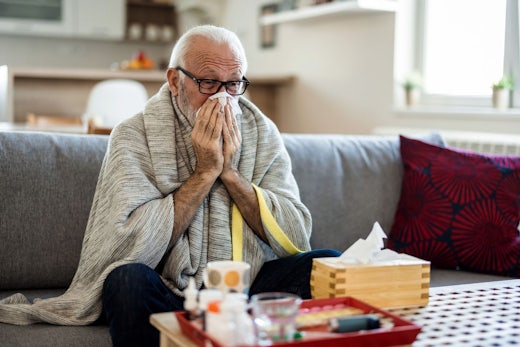
Aged care needs to be a focus of the upcoming by-elections, according to the industry’s peak bodies (Source: Shutterstock)
The peak bodies – The Aged Care Guild (The Guild), Aged and Community Services Australia (ACSA) and Leading Age Services Australia (LASA) – say these by-elections are an important opportunity to being a national conversation on ageing and aged care, but instead they are becoming a “wasted opportunity” focused heavily on the popularity of political leaders and their respective tax policies.
Chief Executive Officers (CEO’s) of the peak bodies say there are more than 78,000 seniors across the areas of Mayo (South Australia), Braddon (Tasmania) and Longman (Queensland), who will take part in the 28 July by-elections, who want to know more about the future of Australia’s aged care system.
They add that these older Australians and their families are “keen to know” if they will be able to access affordable, high quality aged care close to home now, and into the future, also making note of the growing number of providers recording financial losses.
“The under-funding of Australia’s aged care system is an urgent issue for every Australian and every community – and should be front and centre of any campaign promising to speak to voters’ concerns about services, jobs and growth,” the band of CEO’s say.
They add that sustainable funding is needed to ensure care and services are available for the growing number of older Australians relying on age services now and in decades to come, highlighting that with more than 100,000 people on the national queue for home care packages, further investment in home care is also “sorely needed.”
LASA CEO Sean Rooney says all the CEO’s believe by-election candidates need to understand the scale of the challenge, and must advocate for and deliver on the needs of older Australians in their communities if they are successfully elected.
“While the recent Federal Budget included positive measures such as an additional 14,000 home care places, and additional support for palliative care and mental health for people living in residential care, core funding is still the largest issue the sector faces,” he says.
ACSA CEO Pat Sparrow adds to Mr Rooney’s sentiment saying: “Aged care services are part of the social fabric of local communities not only for the essential care and support they provide but also as a valuable generator of jobs and growth.”
Aged Care Guild CEO Matt Richter also comments, saying if residential aged care providers are not viable under the current funding levels, it makes it increasingly difficult to invest in new facilities and services.
Together, the three peak bodies are calling for immediate actions to be taken, including:
$675 million per annum to respond to the gap between rising costs and stagnating subsidies in residential care
At least $60 million per annum more for home care subsidies to respond to rising costs, as well as review of the overall level of investment to ensure that the roll-out of additional home care packages keeps up with the actual numbers of people in the national queue
Additional targeted support for those residential aged care providers that are struggling in regional and remote Australia
A sustainable aged care funding strategy that ensures we have an equitable and viable aged care system that delivers the services that people need and want into the future
“As the representatives of the aged care industry in Australia, we are calling for candidates to prioritise ensuring a sustainable aged care system delivering the care services people need and want into the future,” the three CEO’s say.
“Older Australians in every electorate, deserve to be treated with respect, and have access to quality and responsive aged care services, when and where they need them.”











![The new Aged Care Act exposure draft is slated for release in December of 2023, but advocates hope to see it rolled out on January 1, 2024. [Source: Shutterstock]](https://agedcareguide-assets.imgix.net/news/articles/wp/agedcareact__0811.jpg?fm=pjpg&w=520&format=auto&q=65)










Comments