Better brain health just a hop, skip and some simple habits away
With the numbers of those living with dementia in Australia on the increase and researchers still working towards cures and treatments for brain conditions, Brain Awareness Week has never been more important than it is today.

Being physically active has a positive impact on brain health and dementia (Source: Shutterstock)
The global awareness week will run from 13-19 March and will bring the focus on awareness, prevention, health, research and all things brain.
Dementia Australia says the awareness week is a great opportunity to highlight some healthy habits to maintain brain health, with Executive Director Client Services and Education Susan McCarthy saying there are five “simple” tips to stick to.
“We know for a fact that there are 420,000 people living with dementia in Australia today and for these people we know that lifestyle plays a significant role as a risk factor,” Ms McCarthy explains.
“It’s a good reminder about what is healthy for your brains and to talk about the five simple things you can do to look after your brain and reduce the risks or push out the onset of brain related conditions.”
The five simple steps Ms McCarthy refers to include:
- Looking after your heart – what’s good for the heart is good for the brain
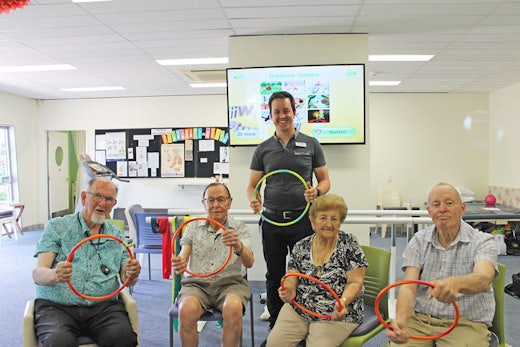
- Being physically active – exercise has an impact on brain health and dementia
- Challenging your brain – stay connected and learn new things
- Healthy diet – make sure you are eating good foods and the right foods for you
- Enjoying social activities – socialisation has a huge impact on the brain, so think about what to do that’s social
Ms McCarthy adds that Dementia Australia know that these modifiable risk factors reduce the risk or onset of dementia and says it’s important to talk about it and the impact of it.
“It’s all about making people aware of the things they can do and Brain Awareness Week helps do that,” she says.
“Brain health is an everyday priority but having at least one week of focus to think about it and what it means to be healthy is a great start.”
Aged care provider Care for Family released their own similar “key tips” for maintaining a healthy brain including:
- Brain stimulation
- Physical exercise
- Wellbeing
- Managing stress effectively
- Eating right
Care for Family Chief Executive Officer Ruth Samer says Brain Awareness Week is the ideal time to highlight key habits and activities which can assist in maintaining a healthy brain for people of any age.
She adds that some of these habits can be consistent within daily life and that seniors can adopt them in order to maintain a healthy brain and fight the likelihood of developing brain diseases.
For more information on brain health, visit yourbrainmatters.org.au










![The new Aged Care Act exposure draft is slated for release in December of 2023, but advocates hope to see it rolled out on January 1, 2024. [Source: Shutterstock]](https://agedcareguide-assets.imgix.net/news/articles/wp/agedcareact__0811.jpg?fm=pjpg&w=520&format=auto&q=65)











Comments